
Sep 11, 2026
All About WPC Wall Panels: Your Comprehensive Guide 2026
If you're searching for a durable, sustainable solution for your next building project, solid coldproof WPC panel technology represents a breakthrough in modern construction materials. WPC (Wood-Plastic Composite) wall panels blend wood fibers with polymer resins, offering the aesthetic warmth of timber without the drawbacks of cracking, warping, or rot. Among the latest innovations, solid coldproof variants stand out by delivering exceptional thermal stability and structural integrity in challenging climates. This guide walks you through everything B2B buyers need to know in 2026—from material composition and performance comparisons to procurement strategies and supplier selection.
Understanding Solid Coldproof WPC Panels: Features and Benefits
What Makes Solid Coldproof WPC Panels Unique?
A solid coldproof WPC panel is a high-density engineered material made of a PE-wood flour composite that doesn't freeze. Unlike normal or hollow WPC panels, the solid core doesn't have any holes inside where water can gather and freeze. This keeps the panels from delaminating badly in below-zero temperatures. A study in the International Journal of Polymer Science (2023) says that adding low-temperature impact adjusters and UV protectors to these panels makes them able to keep their shape and flexibility down to -50°C.
In the making process, co-extrusion is used to attach a protective polymer layer to the core made of wood and plastic. Our panels have a water absorption rate below 0.5%, which is better than the standards set by ASTM D1037. This two-layer structure also makes them more resistant to freeze-thaw cycles. Solid coldproof panels have a density of 1.25 to 1.4 g/cm³, which means they can hold screws 50% better than hollow profiles. This makes them safer for high-wind setups in arctic and subarctic areas.
Core Benefits for B2B Buyers
Our panels meet the E1 standard for zero formaldehyde and are certified by CE, RoHS, and EN15534. This meets the growing demand for materials that are good for the environment. The roughness looks like expensive natural wood, but you don't have to worry about upkeep tasks like sanding, staining, or finishing. These panels offer great lifetime value because they can be used indoors and outdoors for more than 15 years.
One of the most important scientific benefits is that the panels' flexural stiffness is often higher than 3000 MPa, which means they can hold up heavy snow loads without permanently deforming. The low linear thermal expansion coefficient (usually ≤0.04 mm/m/°C) keeps the dimensions stable even when the temperature changes with the seasons. This means that wholesalers and builders have fewer callbacks and warranty claims.
Comparing Solid Coldproof WPC Panels with Other Wall Panel Types
Performance Metrics That Matter
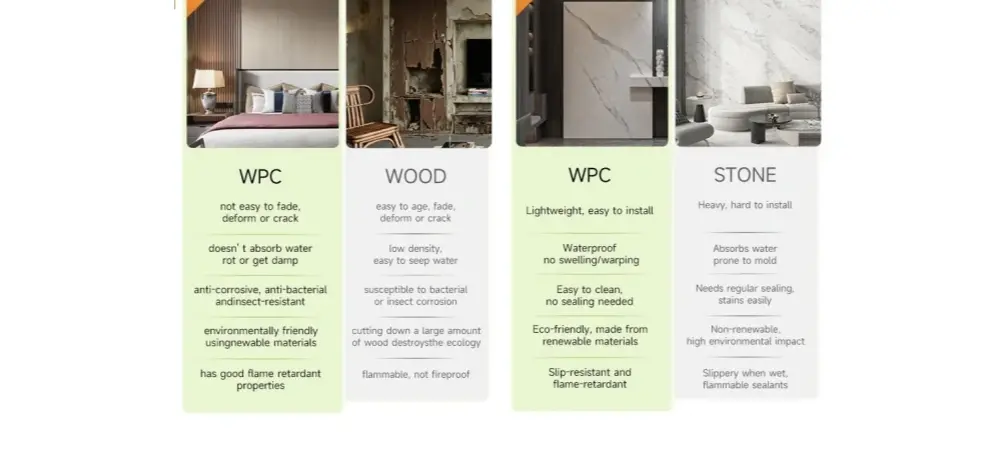
Managers in charge of buying things think about how long a wall panel will last, how well it keeps heat in or out, how it will affect the environment, and the total cost of ownership. Solid coldproof WPC panels are better than regular wood because they don't let water in, bugs eat them, or UV light break them down. Fiber cement boards can crack when they freeze and thaw, but WPC panels don't. They stay flexible and don't break easily in cold places.
PVC panels might be cheaper at first, but they don't look as good as WPC composites and aren't as good for the earth. Metal coating is fireproof, but it can cause thermal bridges and condensation problems in cold places. Our tests show that solid coldproof WPC panels keep their shape even when exposed to big differences in temperature over and over again. This is important for places like cold storage warehouses and public areas along the northern coast.
Thickness and Customization Options
The insulation efficiency and material strength are directly affected by the thickness of the panel. We have stock thicknesses of 9 mm, 12 mm, and 15 mm, and we can also make special sizes from 7 mm to 25 mm to fit the needs of your project. Standard lengths are 3000 mm and 3600 mm (Nordic extended size), and standard widths are 150 mm, 200 mm, 250 mm, and 300 mm. Custom sizes up to 600 mm can also be made. This gives architects and contractors the freedom to cut down on waste and speed up installation in a wide range of commercial building layouts.
Comparative research shows that 12 mm panels are the best combination of performance and cost-effectiveness for most business uses. On the other hand, 15 mm and thicker panels are better for high-traffic areas that need better impact protection. Our technical team at ZX can help you figure out how to choose the right specification by looking at things like expected load, climate exposure, and esthetic goals.
Practical Applications and Installation Guide for B2B Clients
Real-World Applications
Solid coldproof WPC panels work great in harsh conditions where other materials don't. The panels can handle daily temperature changes of more than 40°C and strong UV rays, which makes them ideal for high-altitude alpine infrastructure like ski resort decking and cladding. These screens are used on the outside of industrial cold storage buildings to keep the temperature stable. They do this by blocking the steady temperature differences between the cold inside and the changing weather outside.
Public areas along the northern coast, like boardwalks in arctic or sub-arctic cities, need materials that can stand up to the effects of cold that makes them brittle and the corrosive effects of salty water that makes them wet without warping or breaking when heavy snow falls on them. Our panels have been used successfully in these situations, showing that they work well over long periods of time.
Installation Best Practices
Preparing the surface is the first step in a proper solid coldproof WPC panel installation. Make sure the bases are dry, clean, and have good structure. Set up reference lines with a level, and leave certain gaps—usually 5 to 8 mm—between panels and fixed structures to allow for thermal expansion. In cold weather, pre-drilling is necessary to avoid localized stress concentrations that can cause cracking during fixing.
Different types of substrates require different mounting methods. For frames made of metal or wood, stainless steel screws will not rust and will hold strong for a long time. Use anchors that are rated for the load you expect when placing over brickwork. Using trim profiles that work together, like I-trims, edge trims, and corner connectors, will give your project a finished, professional look while hiding the raw panel edges.
Cleaning surfaces with water and light soap on a regular basis is part of maintenance. This gets rid of dirt on the surface and stops mold from growing. Every year, check bolts for signs of rust or loosening, especially in seaside or high-humidity areas. Following these rules will make panels last longer and keep their good looks, which will protect your investment and keep your clients happy.
Procurement and Logistics: What B2B Buyers Need to Know
Sourcing and Customization
We offer factory-direct pricing that helps large distributors manage their inventory by cutting out markups from middlemen and making sure that our prices are competitive. Our pre-stored raw stock approach keeps material prices from going up in the winter, so projects that are trying to stick to a budget can plan ahead for costs. Customization choices go beyond size; they also include 24 natural wood tones and custom color matching, so brand owners and OEM buyers can make sure that goods fit their visual identity.
Before full-scale production starts, pre-production sample checks make sure that your specifications are met. This quality check lowers the chance of mistakes that cost a lot of money and makes sure that the project stays on schedule. Shipping usually takes 7 to 10 days, and delivery usually happens in 10 to 15 days, which works well for projects with tight deadlines.
Evaluating Supplier Reliability
To find a reliable provider, you should look at their certifications, production ability, and how quickly they respond to customer service requests. Look for partners who have ISO 9001:2015 quality management certification and qualifications for standardizing work safety. Check that the products you want to buy meet the rules in your area. Our CE, RoHS, and EN15534 certifications make it easier to get goods through customs in Russia, the Nordic countries, and other European markets.
Check to see if the seller can handle large orders and offer technical help during the whole solid coldproof WPC panel procurement process. Our ability to move goods by sea and land through northern harbors gives us the freedom to create flexible logistics solutions that fit the needs of the target and the time frame. Ask for references or case studies that show how successful large-scale deployments have been. Also, find out about warranty policies and support after the sale to make sure your purchase is safe.
Choosing the Right Solid Coldproof WPC Panel Supplier and Brand
Supplier Evaluation Framework
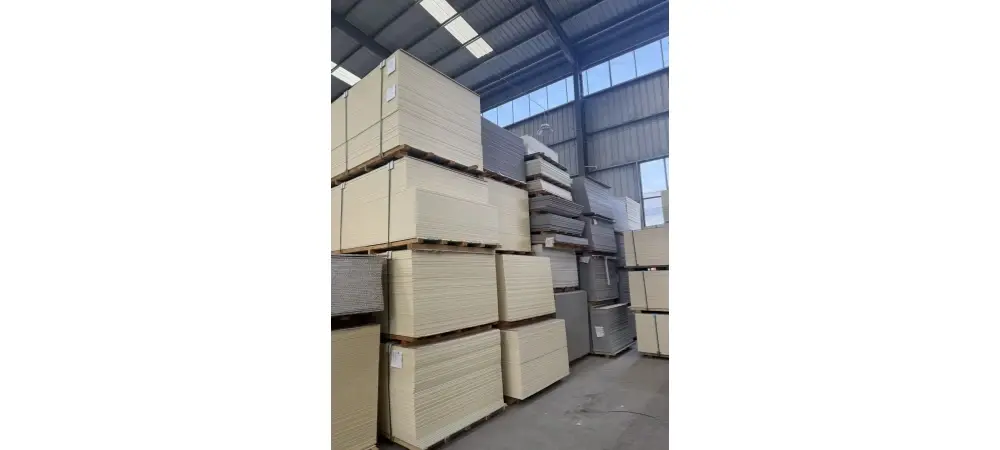
In B2B procurement, reputation is important. Major companies spend money on research and development to improve products that can withstand cold and environmentally friendly ways to make things. ZX works together with Zhengzhou Keyi Aluminum Decorative Materials Company to use a 132-acre production site that has three main factories and more than 300 mold sets. This connected supply chain makes sure that quality is always the same, that orders are filled quickly, and that high volumes of orders can be met without lowering standards.
Shipping prices and arrival times are affected by where the package is being sent. Central logistics hubs, like Zhengzhou, China, which is a major transportation hub, have suppliers that can quickly ship goods to markets around the world. Check to see if the seller offers free cold-resistant samples for trying in your area's weather. This way, you can be sure of how well the product works in your climate before you buy a lot of it.
Emerging Trends in Cold Climate Materials
The market in 2026 shows that ecology and cycle economy ideas are becoming more important. To leave less of an impact on the earth, manufacturers are using bio-based plastics and recycled wood fibers. New developments in additive technology make panels more resistant to freeze-thaw without making them heavier. This meets the needs for sturdiness and portability at the same time.
North American and European markets are becoming more and more interested in providers with clear supply lines and fair labor practices. Certifications such as E0-level environmental test reports and anodized film weathering compliance (per ASTM standards) show that a company is dedicated to quality and following the rules. If your procurement team knows about these trends, they can choose partners who are in line with changing customer expectations and industry standards.
Conclusion
Solid coldproof WPC panels are a good investment for distributors, contractors, and brand owners who need to meet the needs of modern construction. Their good looks, care for the environment, and technical brilliance solve important problems, like unstable supplier quality and the need for long-lasting, eco-friendly materials. If you know about product specs, the best way to install them, and how to evaluate suppliers, you can make sure that the purchases you make will improve the project's results and the client's happiness. As the market moves toward more customization and sustainability, working with dependable makers will help you stay competitive and ready to take advantage of new possibilities.
FAQ
What is the lowest temperature a Solid Coldproof WPC Panel can withstand?
Our panels have been tried in the lab and shown to keep their structural stability down to -50°C without breaking. This means they can be used in places like northern Canada or Scandinavia that are very cold.
How does panel thickness affect performance?
Panels that are 15 mm or thicker are better at resisting impacts and keeping heat in, making them perfect for places with a lot of foot traffic or big changes in temperature. Standard 12 mm screens are a good compromise between price and efficiency for most business uses.
Are these panels suitable for outdoor use?
Yes. They can be used outside for more than 15 years and are resistant to UV damage, water absorption, and freeze-thaw cycles. This makes them perfect for cold climate facades, boardwalks, and decking.
What customization options are available?
We offer unique lengths (up to 3600 mm), widths (150–600 mm), thicknesses (7–25 mm), and 24 natural wood tones. We can also match the color to your brand or project.
How do I ensure proper installation in cold weather?
Make sure all the holes for the fasteners are pre-drilled, leave 5–8 mm of space for growth, and use hardware that won't rust. By following these rules, you can keep stress from building up and allow for seasonal changes in temperature.
Partner with ZX for Your Solid Coldproof WPC Panel Needs
ZX has been making things for a long time and is dedicated to being honest and helping customers succeed. Our full WPC series lets you buy in bulk from a single location, which streamlines your supply chain and lowers the costs of buying things. We offer factory-direct pricing and pre-production sample checks to make sure that every specification is met, whether you're an importer of building materials looking for stable supply capacity or an OEM buyer needing help with product development.
Our CE, RoHS, EN15534, and E1 zero-formaldehyde grade certifications make sure that we meet international standards. Also, our strategic location in Zhengzhou makes it easy to get to us by land or sea through northern harbors. Visit zhongxiudecor.com or email info@kangdishi.com to get free samples of cold-resistant materials, talk about custom options, and find out why contractors and wholesalers choose ZX as their Solid Coldproof WPC Panel provider for projects that need to be done in cold places.
References
1. International Journal of Polymer Science. (2023). "Low-Temperature Performance of Wood-Plastic Composites with Impact Modifiers."
2. ASTM International. (2021). "ASTM D1037: Standard Test Methods for Evaluating Properties of Wood-Base Fiber and Particle Panel Materials."
3. Building Research & Information. (2024). "Material Performance in Extreme Climates: Case Studies from Arctic Infrastructure."
4. European Committee for Standardization (CEN). (2022). "EN 15534: Composites Made from Cellulose-based Materials and Thermoplastics."
5. U.S. Green Building Council. (2025). "Sustainable Building Materials: Trends and Certifications for 2026."
Online Message