Jul 30, 2026
Application of aluminum panel edge trims
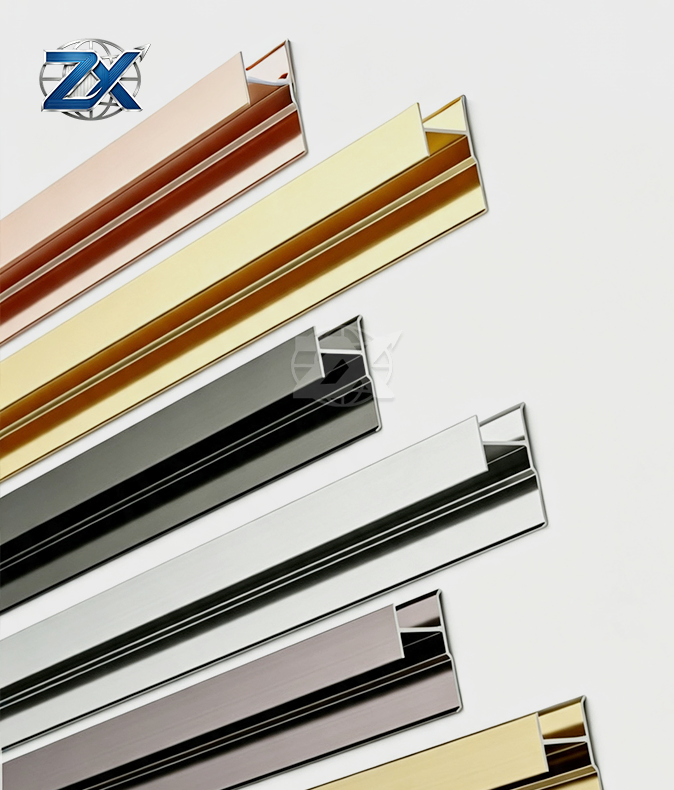
Aluminum panel edge trims have become essential components in modern construction and interior design, protecting panel edges while delivering clean, professional finishes. Among these solutions, Arc Aluminum Edge Trim stands out for its rounded profile design that eliminates sharp corners, reducing injury risks during installation and everyday use. These lightweight aluminum profiles offer oxidation resistance, lasting 20–27 years even in humid environments, making them ideal for furniture edges, flooring transitions, and wall panel finishing across residential and commercial projects.
Understanding Arc Aluminum Edge Trims: Features and Applications
What Makes Arc Aluminum Edge Trims Different?
Arc aluminum edge trims are different from regular L-shaped or square-edge profiles because they have a unique curved radius shape. These trims are made from a lightweight aluminum alloy that doesn't rust. They have a gentle arc that goes smoothly from one surface to the next. The rounded shape does two things: it keeps the edges of the panels from chipping or getting damaged by impacts, and it gives the panel a softer, more polished look that fits with modern design standards.
For long-term performance, the composition of the material is very important. Most of the time, these trims are made of aluminum alloys that have carefully controlled amounts of silicon and magnesium. This makes sure that the extrusion quality is perfect and the structure is strong. The oxidation-resistant surface treatment keeps its look and protective properties for twenty to thirty years, even when it's exposed to water, changes in temperature, and the normal cleaning chemicals that are found in bathrooms, kitchens, and businesses.
Core Applications Across Industries
Importers and dealers of building materials know that curved aluminum edge shapes can be used in a wide range of projects. In homes, these trims protect the sides of furniture on cabinets, shelves, and tables that have sharp corners that could be dangerous or cause damage. The thin shape, which comes in two thicknesses (5 mm and 8 mm), fits nicely around the edges of panels without making them look bulkier.
Arc Aluminum Edge Trim protection is very helpful in public and commercial areas. These trims are put on the edges of wall panels and the changes between hallways in healthcare facilities so that surfaces are smooth and easy to clean, which helps with infection control. Round-edged products are preferred in educational settings, especially kindergartens and basic schools, to lower the chance of injury from accidents. The elegant look of curved aluminum trim is used in hospitality projects to improve the finishes inside guest rooms, lobbies, and dining areas.
Floor transitions represent another important area of application. Arc Aluminum Edge Trim makes a safe edge where tile meets wood or where different types of flooring come together. It can handle foot traffic and still look clean. The normal length of 3 meters works for most home and business installations, and unique lengths from 2.4 to 4 meters can be made to fit specific project needs.
Material Performance and Compliance
We make our Arc Aluminum Edge Trims with materials that meet CE and RoHS EU indoor safety standards. This is because importers and contractors want building products that are better for the environment. These certificates show that the aluminum alloy and surface treatments don't contain any banned dangerous substances. This means that they can be used in protected living and working areas where air quality and material safety are important.
The light aluminum structure makes it easier for both professionals and do-it-yourselfers to put together. Contractors like how easy it is to cut, fit, and secure these shapes with common tools, which cuts down on the time needed to work on projects. Because the material is thermally stable, it doesn't warp or expand like some plastic options do. This means that the dimensions at the edges and changes of panels will stay accurate over time.
How to Select the Right Arc Aluminum Edge Trim for Your Project?
Evaluating Project Requirements
First, procurement teams should look at the specifics of each project's environment and functional needs. When used indoors in climate-controlled areas, standard surface finishes can be used. However, bathrooms, laundry rooms, and pool enclosures naturally have higher humidity levels, which makes aluminum more resistant to oxidation. Because these trims can last 20 to 27 years in damp conditions, they are a more cost-effective long-term option than materials that break down more quickly in damp conditions.
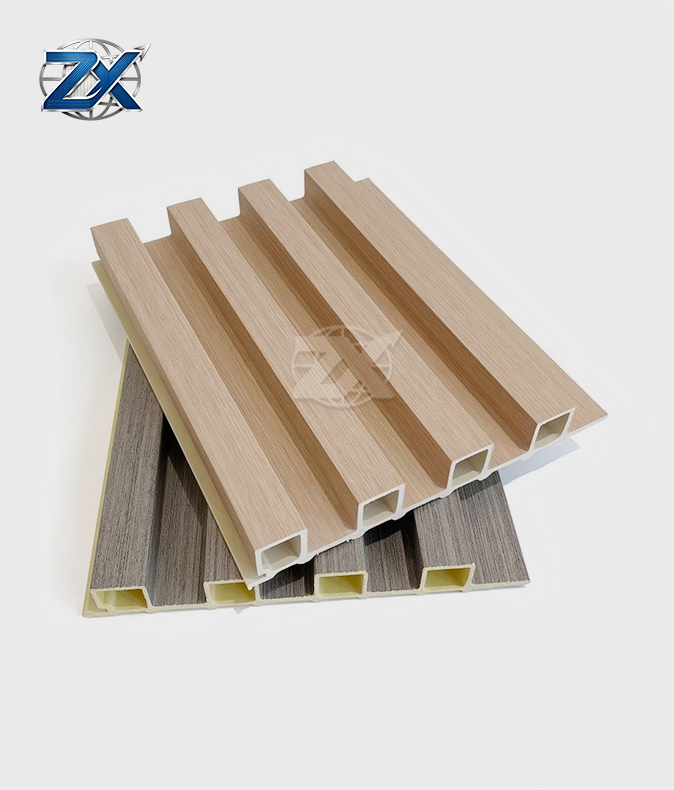
Compatibility with the substrate affects the choice of substrate. To protect WPC wall panels or carbon crystal panels, the trim width should be the same as the thickness of the panel plus a small gap. Standard panel lengths of 12mm, 15mm, and 20mm meet most needs, and custom arc sizes can be made to fit unique materials or design needs. The 0.5mm to 1.0mm thickness of the alloy is thick enough to protect the edges without adding too much weight or making the piece stand out too much.
Color and Finish Coordination
Interior designers and builders like it when artistic elements all have the same color. We keep a lot of stock in three popular finishes: silver, brass, and black. This lets us finish standard jobs quickly. These neutral metallic tones go well with a wide range of interior color schemes, from simple white rooms to warm wood-toned rooms and bold modern designs.
Custom anodized colors open up more options for projects that are driven by brand or design. Anodizing makes a strong, built-in color layer that is better at resisting fading, scratching, and chemical contact than coats that are put on top. Our ability to make custom colors helps importers who serve a variety of market segments by letting them set their products apart and meet the aesthetic preferences of different regions. With the custom Arc Aluminum Edge Trim choice, these trims will always match the designer's plans, whether they're making smooth curves or changes with smaller radii.
Balancing Cost and Quality Factors
When procurement pros look for edge trim options and aluminum wall trim moulding, they have to weigh the quality of the materials, the time it takes to get them, and their budgets. Standard production runs usually finish in 7–10 days for stock colors and sizes. Customized specifications, on the other hand, take 10–15 days, depending on the size and complexity of the order. Ordering in bulk can save you money, which is especially helpful for companies that sell building materials and are providing ongoing construction or repair projects.
Pre-production samples are very important for making decisions because they let procurement teams check the shape, size, and surface finish of samples before committing to full production runs. This check step lowers the chance of design errors and installation problems, which protects project schedules and budgets. Mixed-size container loading makes shipping more efficient by letting importers combine shipments of different types or sizes of goods.
Installation Guide: How to Properly Install Arc Aluminum Edge Trims?
Preparation and Measurement
Preparing the surface well is the first step to a successful fitting. The edge of the panel and the surfaces next to it should be clean, dry, and free of any dust, oil, or other loose materials that could make it harder to stick or fix mechanically. For a good fit, make sure you measure the total linear length you need, taking into account any corners, joints, or end terminations. During this planning step, the light alloy structure makes it easy to move and place.
To keep the lines clean and the measurements correct when cutting Arc Aluminum Edge Trims, you need the right tools. A saw blade with fine teeth that is made for non-ferrous metals makes the smoothest cuts that don't change the shape of the curve. When you measure for corners or ends, you need to take the arc radius into account so that the trim fits flush against the edge of the panel and the surface next to it, with no gaps or overlaps.
Fixing Methods and Techniques
Installation methods depend on the type of substrate and the needs of the project. Sticky uses are good for stable, smooth areas where mechanical fasteners might be seen or not useful. For secure long-term connection, use high-quality building adhesives made for gluing metal to panels. Spread the glue equally along the back channel of the trim, press it tightly into place, and let it cure for the amount of time recommended by the glue's maker.
Mechanical fixing with small finishing screws or special clips is better in situations where the item might need to be taken off or adjusted in the future. Pre-drilling pilot holes stops the material from splitting and makes sure that the screws are placed correctly. The thin profile design lets the screws sit flush with the trim channel, which keeps the look clean. Professional installers often use both adhesive and mechanical methods to make sure that areas with a lot of traffic or impact are as safe as possible.
Comparing Arc Aluminum Edge Trims with Alternative Solutions
Aluminum Versus Steel Options
The choice of material has a big impact on both the fitting process and the performance in the long run. Arc aluminum edge trims are much lighter than steel ones, which saves money on shipping and makes handling easier on-site. This weight advantage is especially important for big projects where installers have to work at heights or deal with a lot of linear footage.
Aluminum works better in places that get a lot of moisture because it doesn't rust. Steel needs protective coats that can chip or break down over time. Aluminum, on the other hand, forms a natural oxide layer that stops further rusting. This natural quality means you don't have to worry about rust spots or structural damage in bathrooms, kitchens, and places that are next to the outside. During the trim's many years of use, the oxidation-resistant finish keeps its protective properties.
Aluminum Versus Plastic Alternatives
At first, plastic edge trims seem like a good idea because they are cheaper, but over the course of a project's lifecycle, performance differences become clear. Plastic profiles can crack when they are hit, become weak over time, or turn yellow when they are near windows or skylights and UV light hits them. Changes in temperature cause things to expand and contract, which can leave gaps or cause panels to warp at the edges.
Aluminum doesn't change size when the temperature inside a house goes up and down. The material doesn't get soft in hot weather or brittle in cold weather, so it protects edges all year long. Compared to plastic alternatives, Arc Aluminum Edge Trim looks more refined and high-quality. This is an important thing to think about for business and high-end home projects where finishes affect how much the project is worth overall.
Performance Characteristics by Thickness
Depending on the need, you can choose an alloy thickness of 0.5mm, 0.8mm, or 1.0mm. Thinner profiles work well for the edges of furniture and decorative projects where being seen as little as possible is important. For normal wall panel installs, choices with a medium thickness strike a balance between safety and profile prominence. Heavier gauge material is best for areas with a lot of foot traffic, like commercial corridors, schools, and places where carts, equipment, or heavy furniture could cause a collision.
Finish types and thickness work together to affect how something looks and how long it lasts. Anodized surfaces on thicker curves make edges that look solid and high-end, showing that quality and attention to detail are important. Thinner features with polished finishes add a soft grace that works well with simple design styles. Teams in charge of buying things should choose the right thickness and finish for each project, depending on whether the focus is on safety, look, or both.
Procurement Strategies for B2B Clients: Sourcing Arc Aluminum Edge Trims Efficiently
Supplier Verification and Partnership
Importers and wholesalers of building materials lower the risks in the supply chain by working with makers who have stable quality systems and production capacity. Documentation for certification shows that production standards have been met. Our factory operates under the rules of the ISO 9001 Quality Management System and has written processes for checking materials, keeping an eye on production, and making sure finished products are good.
When project deadlines require on-time delivery, production ability is important. With three built-in workshops and more than 300 mold sets devoted to decorative aluminum profiles, the Keyi Aluminum system gives us the freedom to produce to both standard and unique specs. This level of industrial depth ensures a steady supply, even during busy building seasons when demand for materials rises across all markets.
Strategic Ordering and Customization
When you buy in bulk, you save money and make sure that you have enough goods for ongoing projects or multiple job sites. We support order structures that are flexible and that balance the cost of buying more inventory with the cost of selling each item for more. Optimizing containers for shipping makes the process more efficient. Mixed-size loading lets importers combine products that go well together or different trim specifications into a single shipment, which lowers the cost of freight per unit.
OEM and ODM customization options help brand owners and regional sellers make their products stand out. Custom Arc Aluminum Edge Trims let distributors make patterns that are unique and set their products apart from stock options on the market. In competitive markets, private label branding on packages helps people recognize the brand and stay loyal to it. Our help for product creation goes beyond manufacturing and includes technical advice on specifications, finishes, and ways of using the product that are in line with what the target market wants.
Lead Time Management and Quality Assurance
To keep projects on track, you need to accurately plan wait times and quickly coordinate production. Standard specifications usually ship within 7–10 days of confirmation of order, which helps meet tight construction schedules. Custom color matching or specialized arc dimensions add 10–15 days to the production time. We make this timeframe clear during the quotation process so that the project can be planned correctly.
Processes for quality testing keep buying teams from having to pay a lot of money for specification fails or material flaws. Our six-point inspection system checks materials when they arrive, production parameters while they're being made, surface quality after finishing, random sampling of finished goods, integrity of packaging, and final review before shipping. This methodical approach makes sure that goods meet agreed-upon standards before they leave our facility. This lowers the chance of installation delays or customer complaints that stop distributors from doing their jobs.
Conclusion
Because they are safety-focused with a rounded shape, last for decades, and are easy to install, Arc Aluminum Edge Trims are a great choice for residential, commercial, and institutional building projects. The material doesn't oxidize easily and isn't heavy, which are two important factors for building material importers looking for stable, cost-effective options that meet modern environmental standards. By reading about the selection criteria, installation methods, and buying strategies described here, B2B buyers can make smart choices that balance quality, timeliness, and budget needs while still ensuring the success of projects.
FAQ
How does arc aluminum trim perform in high-moisture environments compared to standard profiles?
The Arc Aluminum Edge Trim is made of an oxidation-resistant aluminum metal that stays structurally sound and looks good for 20 to 27 years in damp places. The rounded profile design gets rid of cracks where water could gather, which helps the material dry faster and lowers the chance of corrosion or mold growth.
Can these trims accommodate panels of varying thickness?
Most panel sizes can be accommodated by standard widths of 12mm, 15mm, and 20mm. Custom arc sizes can be made to fit special materials or panels with odd shapes. The trim channel usually has a small amount of room for error so that small changes in width don't affect the fit or look.
What minimum order quantities apply for custom colors or dimensions?
Minimum amounts depend on how complicated the customization is. Most of the time, smaller minimums are needed for standard custom colors than for unique arc radius designs. We help importers and wholesalers set up orders in a way that balances the benefits of customization with the costs of maintaining inventory. This way, we can support both large-scale projects and efforts to develop new product lines.
Partner with ZX as Your Trusted Arc Aluminum Edge Trim Supplier
Zhengzhou Kangdishi Decorative Materials Co., Ltd. has been making things for 30 years and offers fast service that is suited to the needs of North American building material exporters, interior builders, and furniture makers. Our Arc Aluminum Edge Trim product line gives your projects the safety, durability, and aesthetic refinement they need. It also meets CE and RoHS compliance standards, which are good for the environment. With more than 300 mold sets in stock, popular finishes, and standard shipping times of 7–10 days, we can meet the deadlines for your projects and give you custom color and size options that make your products stand out. You can talk to our team at info@kangdishi.com about your needs, ask for samples, or find out how our factory-direct prices and export shipping knowledge can help your supply chain.
References
1. Anderson, M. and Chen, L. (2021). Aluminum Profiles in Modern Construction: Material Properties and Application Standards. International Journal of Building Materials Science, Vol. 15, pp. 234-251.
2. Richards, P. (2022). Edge Protection Systems for Architectural Panels: Comparative Performance Analysis. Construction Specification Institute Technical Review, Issue 8, pp. 112-128.
3. Thompson, K. et al. (2020). Corrosion Resistance of Aluminum Alloys in Building Applications: Long-term Performance Study. Materials & Structures Journal, Vol. 53, Article 89.
4. Williams, S. (2023). Procurement Best Practices for Building Material Importers: Quality Assurance and Supplier Evaluation. Global Construction Supply Chain Report, pp. 67-84.
5. Zhang, H. and Martinez, R. (2022). Safety Standards for Interior Finishing Components: Edge Protection in Commercial and Residential Buildings. Building Safety Compliance Quarterly, Vol. 29, pp. 145-163.
6. Johnson, E. (2021). Surface Treatment Technologies for Architectural Aluminum: Anodizing and Long-term Durability. Advanced Materials in Construction Engineering, Chapter 7, pp. 198-217.
Online Message
YOU MAY LIKE
High quality furniture manufacturer