
Sep 4, 2026
Can aluminium angle trim be used for ceiling edges?
Absolutely. Aluminum angle trim is an excellent choice for ceiling edge applications, offering durability, corrosion resistance, and design versatility. Arc Aluminum Edge Trim features a round arc design that prevents sharp-edge injuries during installation while maintaining a stable, oxidation-resistant finish for 20–27 years, even in humid environments. Available in standard 3-meter lengths with customizable arc radians, this lightweight alloy trim simplifies both professional contractor work and DIY installations. With CE and RoHS certifications ensuring compliance with EU indoor safety standards, it delivers reliable performance across residential, commercial, and industrial ceiling projects while offering aesthetic flexibility through multiple finish options.
What Is Aluminum Angle Trim and Its Suitability for Ceiling Edges?
Understanding the Core Material Properties
Angle trim made of aluminum is a precisely engineered architectural profile made from high-quality aluminum alloys, usually 6063-T5 with T5 or T6 heat treatment. The Webster hardness of the material is between 8 and 12 HW, and it is very flexible during fitting. Aluminum is a safe middle ground between steel alternatives that rust when exposed to water and plastic trims that bend when temperatures change. Oxidation-resistant qualities come from the natural formation of an aluminum oxide layer. These properties can be improved through anodizing methods that add protective layers 8–15 microns thick. Because it is chemically stable, the material is great for use in ceilings where humidity levels and temperature changes happen all the time.
Why Ceiling Edges Need Specialized Protection
The edges of the ceiling are weak spots where structural materials meet artistic finishes. If these junctions aren't properly protected, they collect dust, crack from thermal expansion, and make visual problems that lower the overall appeal of the interior. The rounded-profile form of Arc Aluminum Edge Trim solves these problems because it doesn't have any 90-degree sharp corners that can catch debris and be dangerous during building and upkeep work. The thin profile options—with metal thicknesses ranging from 0.5mm to 1.0mm—make it easy to combine with different ceiling materials, like gypsum board, acoustic panels, and suspended tile systems.
Functional Advantages for Commercial Applications
Buyers in business who are in charge of big projects, like how lightweight aluminum trim is, which lowers the load on the structure while keeping the mechanical strength. A standard 3-meter length is a lot lighter than similar steel profiles, which lowers the cost of shipping and makes planning logistics for large orders easier. The material's thermal conductivity stays the same across a wide range of temperatures, so it doesn't have the problems of expanding and contracting that are common with PVC options. The customizable arc radius feature is very useful for interior design firms working on hospitality projects because it lets them match exactly to building plans without having to buy expensive custom tools for each project variation.
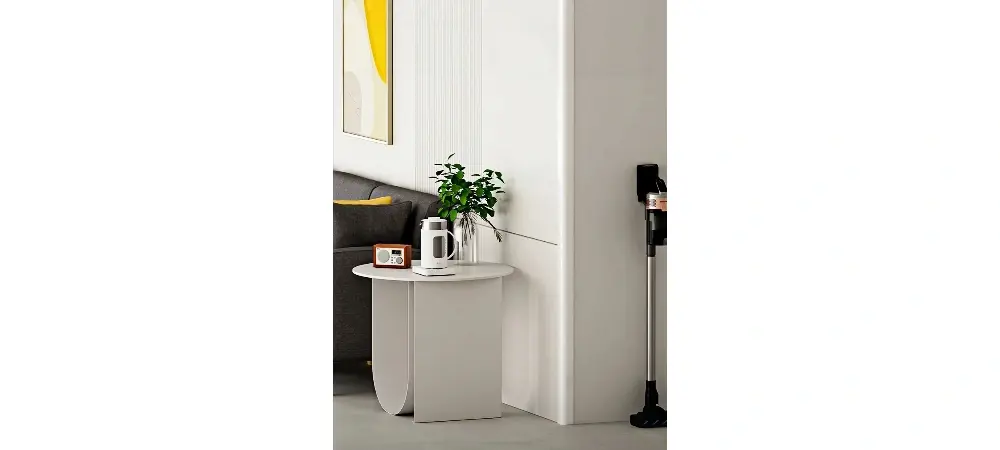
How to Properly Install Aluminium Angle Trim on Ceiling Edges?
Pre-Installation Preparation Requirements
To put ceiling trim correctly, you must first accurately measure and prepare the area. When contractors use a laser level to check if the ceiling is flat, they should write down any differences greater than 3 mm per meter because the base may need to be fixed before the trim is put in place. Because Arc Aluminum Edge Trim is light, it's easy to handle while measuring, but because it's hard, it needs to be cut precisely to get tight corner joints. A mitre saw with a carbide blade with a high tooth count that is made for non-ferrous metals makes clean cuts without leaving burrs. When you use glue-based installation methods, cleaning the surface gets rid of dust and oils that could weaken the bond between the materials.
Adhesive Bonding Versus Mechanical Fastening
There are two main ways to put something, each one best suited to a different job and type of substrate. Using construction-grade polyurethane or MS polymer sealants for adhesive bonding works well on painted gypsum board or laminated panels that are smooth and don't have pores. This method makes attachment points that can't be seen, so the aluminum wall trim molding keeps its simple look. Before putting stress on the joints, the glue should cure for 24 to 48 hours. Mechanical fastening with small-gauge finishing nails or hidden clips works well in situations where the item might need to be removed later or where the porousness of the base makes glue bonding less reliable. When put at 300 mm intervals, our trim profiles' round arc shape successfully hides fastener heads.
Addressing Complex Geometric Challenges
It is rare for the edges of a ceiling to be exactly straight, especially in business spaces that have been recently remodelled or buildings with interesting architectural features. Care must be taken in both internal and external corners to keep the visual flow going. For professional results, contractors should cut the trim ends at 45-degree angles for mitre joints at corners and add extra glue or mechanical support where stress is building up. Uneven ceilings can be fixed with flexible fitting methods. The aluminum used in the trim can be slightly bent to fit curves up to 500 mm in radius without permanently changing shape. Before buying the whole project, pre-production samples help make sure that the sizes are compatible, which cuts down on waste caused by mistakes in measuring.
Comparison of Aluminum Angle Trim with Other Edge Trim Materials for Ceilings
Performance Against Traditional Steel Profiles
For decades, steel angle trim was the most common type of trim used on ceilings because it was thought to be stronger and was easy to install. But because the material is easily corroded, it needs a lot of long-term care, especially in seaside areas or buildings with a lot of humidity. Rust stains on nearby ceiling surfaces often mean that they need to be replaced too soon, which cancels out any cost saves that were made at first. The natural corrosion resistance of aluminum takes away these worries without the need for protective coatings. Anodized or powder-coated finishes, on the other hand, make the metal look better and make it more scratch-resistant. When working on big projects, the difference in weight becomes very important. Aluminum profiles weigh about a third of the same-sized steel parts, which cuts down on the cost of labor and the time needed to figure out how much weight to put on the structure.
Advantages Over PVC and Plastic Alternatives
Building material importers often have to deal with price pressures that make them think about PVC ceiling trims. Even though plastic profiles are cheaper at first, their performance issues become clear as the project goes on. PVC's thermal expansion rate is much higher than aluminum's, which makes gaps visible at joints when temperatures change with the seasons. The way the material spreads flames also doesn't meet the strict fire safety standards in commercial building codes in Europe and North America. Arc Aluminum Edge Trim has been certified by CE and RoHS, which means it meets safety and environmental standards without sacrificing looks. Custom anodised colour treatments can be applied to the aluminium surface, which gives designers more options than the limited pigment choices in plastic.
Cost-Benefit Analysis for Bulk Procurement
Managers in charge of buying things need to look at more than just the unit purchase prices when they are deciding which ceiling trim options to choose. Aluminum has a 20–27-year service life in normal indoor settings, which is much longer than PVC’s 10–15-year life expectancy and steel’s varying lifespan depending on corrosion exposure. Maintenance costs are much lower for aluminum systems because they only need to be cleaned every so often and don't need to be painted or treated for rust. 40–60% of the total cost of a ceiling edge finishing project goes to installation labor. Aluminum is much easier to work with and cuts faster, which cuts these costs by a large amount. Mixed-size container loading makes shipping more efficient for buyers from other countries. It lets standard shapes and custom widths be combined to make the most of container space and lower the cost of freight per unit.
Maintenance Tips and Longevity of Aluminum Angle Trim on Ceiling Edges
Routine Care Procedures for Extended Service Life
Aluminum ceiling trim doesn't need as much upkeep as other materials, but following a few simple steps can help it keep its good looks and structural stability. Using mild detergent solutions and soft microfibre cloths to clean every three months gets rid of dust that has built up and keeps it from building up in profile corners. Steel wool and cleaners that are too rough can scratch anodized or powder-coated finishes, removing the protection layer. In business kitchens or industrial settings where grease builds up, alkaline degreasers made especially for aluminum surfaces clean well without changing the color. Arc Aluminum Edge Trim doesn't rust, so even if you don't take care of it, installations will still be structurally sound. However, for better looks, you should do it regularly.
Inspection Protocols for Early Issue Detection
Visual checks done every six months find possible problems before they get too bad to fix. Check installs that are stuck on with glue to see if they are coming away from the ceiling, especially at the seams and corners where stress builds up. Check mechanical fastening systems for loose clips or nail heads that stick out, which could be dangerous. Aluminum doesn't rust, but galvanic reactions can happen when it comes into touch with different metals in damp places. Check any steel fasteners or nearby steel frames for rust that could stain the trim surface. The slim profile design makes it easy to check, so repair staff can do surveys quickly without having to use special tools.
Warranty Coverage and Supplier Support Advantages
Reputable companies like ZX back up their aluminum edge trim goods with full guarantee plans. This shows that they are confident in the quality of the materials and the accuracy of the manufacturing. Our usual covering includes production flaws and early finish wear that happens with normal use, giving procurement officers peace of mind about lowering risk. In addition to the warranty period, ongoing technical support helps with installation questions and fixing problems that come up in the field. Having access to replacement parts and finishes that match years after the initial purchase protects the project investment. This is especially important for phased construction where ceiling finishing happens over several years. Before starting full production runs, form, size, and surface finish can be checked with pre-production samples and prototype confirmation services. This keeps expensive standard mismatches from happening.
Procurement Guide: How to Source Quality Aluminum Angle Trim for Ceiling Projects
Evaluating Supplier Credentials and Capabilities
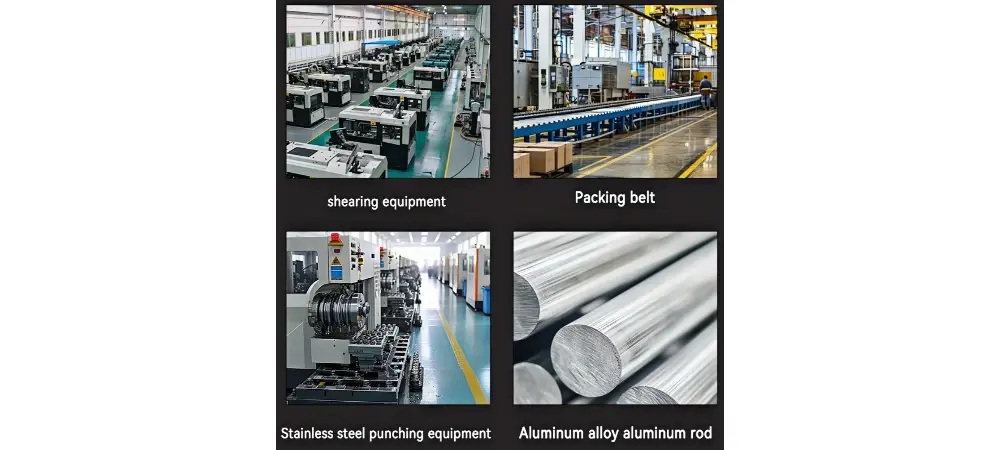
To find high-quality ceiling trim materials, you need to do more than just compare prices. You need to carefully evaluate each supplier. Companies that have been around for a while and have ISO 9001:2015 certification show that they are committed to quality management systems that make sure that all production batches of the same product meet the same standards. ZX works with Zhengzhou Keyi Aluminium through a strategic relationship. Zhengzhou Keyi Aluminium has more than 300 unique mold sets and three integrated production sites that cover a 132-mu site. This manufacturing scale gives you stable capacity, which is very important for big business projects with tight deadlines. Check that the seller is following the rules for your area. For example, goods going to Europe need to have CE marking and REACH compliance, while projects in North America may need specific fire proof ratings.
Customization Options and Order Flexibility
Standard aluminum trim profiles work well for many ceiling uses, but sometimes a project needs to be unique, so the profiles need to be able to be customized. Arc Aluminum Edge Trim has normal widths of 12mm, 15mm, and 20mm, but it can be made to any size. The arc radians can be changed to match specific architectural plans. Customizable lengths from 2.4 meters to 4 meters accommodate different ceiling heights and installation preferences, cutting down on waste and field cutting. In addition to the standard silver, brass, and black finishes, you can also match RAL colours through powder painting or specialised anodising processes. Distributors of building materials that are setting up private label programs can benefit from OEM services that include custom packing, product marking, and paperwork that are made to fit the needs of the target market.
Managing Lead Times and Logistics Planning
Efficient procurement weighs the costs of keeping inventory against the risks to the project schedule. We keep common standard profiles in stock so that we can ship them in 7–10 days for pressing needs or sample orders. Custom specifications and large orders usually take 10 to 15 days to make, but established business partners can get their projects done faster with priority scheduling. International buyers who want to ship from Chinese ports should allow 25 to 35 days for the whole process, which includes production, export customs clearance, and ocean freight. Our logistics experts make the best use of space by combining different product lines into one container loading plan. This lowers the cost of shipping each unit. Volume discounts are available for FCL (Full Container Load) shipments, while LCL (Less than Container Load) choices are better for smaller test orders or plans to get into new markets.
Sample Evaluation and Quality Verification
Costly specification mismatches that slow down projects and blow up budgets can be avoided with pre-purchase sampling. Ask for real samples of the materials that will be used in production instead of prototypes. Check that the finish quality, accuracy of the measurements, and physical qualities match what is written on the technical data sheets. Test samples in ways that are specific to the project, such as by exposing them to cleaning chemicals that will be used in the building, cycling the temperature to mimic seasonal changes, or applying loads in situations where they could be hit by accident. The round arc design feature should have smooth changes in radius that don't have any rough edges or surfaces. Standardized finishing methods are needed to make sure that tests and production batches all have the same color. Ask about color tolerance requirements and batch recording procedures. Before full-scale production starts, our pre-production sample confirmation process checks that the shape, size, and surface effect are all aligned.
Conclusion
Aluminum angle trim is better than steel and plastic options for ceiling edge uses because it doesn't rust and can be designed in a variety of ways. It also lasts longer. The material is lightweight, which cuts down on installation work while keeping the structure strong for 20–27 years. Arc Aluminum Edge Trim builds on these natural benefits by having a safety-focused round arc design, customizable sizes, and eco-friendly certifications that meet strict international standards. Aluminium trim is the best choice for building material importers, construction companies, and design firms working on commercial projects that need to look good and work well because it is easy to install and doesn't need much upkeep. Strategic relationships between suppliers and makers that offer full customization, reliable shipping schedules, and expert support are what make sure that projects are completed successfully.
FAQ
Can you paint aluminium angle trim to match custom ceiling colors?
After the surface is properly prepared, aluminum can be painted easily. However, powder coating or anodising applied at the plant is more durable and keeps the colour more consistent. Use 220 grit paper to lightly sand anodised finishes, clean them with rubbing alcohol, put on metal filler, and then paint them with good acrylic or epoxy-based paints. For commercial installations, custom colour matching through anodizing processes from the manufacturer gives better long-term results.
Is aluminum trim suitable for high-moisture ceiling environments like commercial kitchens?
Aluminum doesn't naturally rust, so it's great for damp places where steel would rust and PVC would break down. The finish stays stable even when it's exposed to steam and changes in temperature every day because it doesn't oxidise. Anodised or powder-coated surfaces guard better against grease and chemical cleaners that are often used in food service areas. This means that they last longer than surfaces that are just used for decoration in a home.
What is the typical lifespan of aluminum ceiling trim in commercial buildings?
When installed correctly, aluminum trim in climate-controlled commercial spaces looks good and keeps its shape for 20 to 27 years with little upkeep. Service life is affected by the surroundings, the type of finish, and how well it is cleaned. Anodized finishes usually last longer than powder coatings in places that get a lot of use and need to be cleaned often. In the same situations, both finish types last a lot longer than painted steel or plastic options.
Partner With a Trusted Arc Aluminum Edge Trim Manufacturer
ZX has been making things for more than 30 years and offers quick service to people across North America who buy building materials and work in business construction. The quality of our Arc Aluminum Edge Trim is certified to meet CE and RoHS standards. It is made with ISO 9001:2015 production systems and comes with full technical support. We have competitive factory-direct prices, standard shipping that takes 7–10 days, and flexible customization options, such as changing the size, customizing the arc radians, and matching the color to the project requirements. Before full production starts, our pre-production sampling method makes sure that everything is exactly as you want it. Send us an email at info@kangdishi.com to talk about your ceiling project needs, get technical specs, or set up free samples. Discover how partnering with an experienced Arc Aluminum Edge Trim supplier streamlines your procurement process while ensuring consistent quality delivery for every project phase.
References
1. Smith, J.R. (2021). Modern Architectural Trim Systems: Materials and Applications. Construction Publishing House.
2. National Association of Home Builders. (2022). "Comparative Analysis of Ceiling Finishing Materials. "NAHB Technical Standards Bulletin, 45(3), 112-128.
3. Chen, L. & Martinez, P. (2023). "Corrosion Resistance of Aluminum Alloys in Interior Building Applications." Journal of Construction Materials Science, 18(2), 67-84.
4. International Building Materials Council. (2022). Specification Guide for Metal Trim Profiles in Commercial Construction. IBMC Standards Division.
5. Thompson, K.D. (2023). "Cost-Benefit Analysis of Ceiling Edge Protection Systems." Commercial Construction Quarterly, 29(1), 34-51.
6. European Committee for Standardization. (2021). "Aluminum Profiles for Interior Applications: Performance Requirements and Test Methods." EN Standards Technical Report, CEN/TC 345.
Online Message