
Sep 30, 2026
Can Quick-Install Wall Panels Be Installed Over Existing Walls?
Quick-install wall panels can absolutely be installed directly over existing walls, and that is precisely what makes them so valuable for renovation projects. Whether the substrate is drywall, concrete, brick, or plaster, these modular cladding systems are engineered to overlay existing surfaces without requiring demolition or base treatment. ZX's quick-install wall panels use a click-lock joint system with ±0.05mm tongue-and-groove tolerance, allowing crews to work straight onto prepared existing walls, cutting total project time by more than 40% compared to conventional finishing methods.
Understanding Quick-Install Wall Panels and Their Compatibility with Existing Walls
It helps to know exactly what you are working with before picking out a wall finish for a renovation. When builders do home and business renovations, modular wall cladding panels have changed how they do things. The science behind them shows why.
What Are These Panels Made Of?
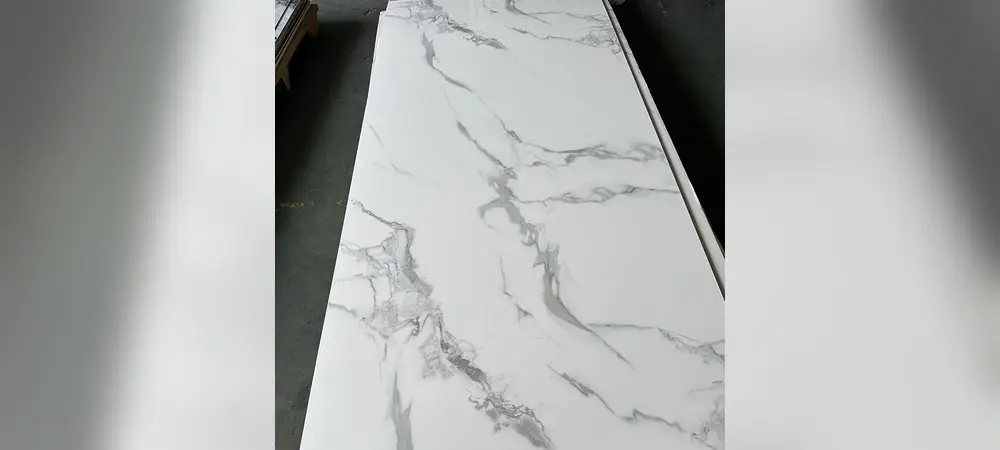
Bamboo fiber, PVC, and WPC (wood-plastic composite) are used to make ZX's walls. Because it is made of different materials, each panel has a density of 0.8 to 1.2 g/cm³ and a Shore D hardness above 70. The end result is a panel that doesn't break easily when hit, doesn't absorb water, and keeps its shape even when the temperature changes. It does all of this without being as heavy or fragile as natural stone or ceramic tile.
Which Substrates Are Compatible?
You can put the quick-install wall panel pieces over concrete, brick, drywall, and white plaster that is already there. The main requirement is that the foundation must be physically sound. This means that there can't be any water damage, crumbling mortar, or holes bigger than a normal fix patch. A light-gauge furring strip frame makes a level plane before panel installation starts on surfaces that vary by more than 5 mm.
How Certifications Affect Your Buying Decision
These panels are safe and environmentally friendly because they have CE and RoHS certifications. E0-level formaldehyde emissions (below 0.05 mg/m³) and B1-grade flame retardancy answer two of the most common questions buyers have about compliance when they are buying something. These qualifications are especially important for projects in controlled areas like schools, hospitals, restaurants, and large shopping groups.

Evaluating the Feasibility: Can Quick-Install Wall Panels Be Installed Over Existing Walls?
The short answer is yes, but the project manager should look at three specific factors before placing an order for supplies to make sure the job is possible.
Structural Integrity Check
In more than one place, tap the current wall surface. Hollow sounds mean that the clay has come apart or that the bonding layers are weak. Any part that doesn't pass this test should be fixed or, in the worst cases, taken out locally. The panel method doesn't add much dead weight—panels that are 6mm to 12mm thick weigh a lot less than tile overlays—so weight distribution isn't usually a problem for normal building walls.
Moisture and Humidity Assessment
High levels of wetness are the main reason why patch installations fail before they should. Use a pin-type meter to find out how much moisture is in the wall before installation. If the reading is above 18% in wood-frame walls or above 4% in concrete, a moisture barrier layer needs to be added. ZX's WPC and PVC composite panels are completely waterproof, but fasteners or furring strips that stay wet behind the panel can wear out over time.
Surface Evenness and Fire Compliance
Walls that are off by more than 5 mm over a 2-meter span need to be leveled before the quick-install wall panel click-lock system can work at its recommended ±0.05 mm tolerance. In terms of compliance, B1-grade flame retardancy meets most fire rules. However, some places, especially for healthcare and leisure projects, may need extra proof. Before you finalize the specs, ask your supplier for the full fire performance report.
Step-by-Step Guide: How to Install Quick-Install Wall Panels Over Existing Walls
Installing these panels over a base that is already there is easy if teams follow a clear order. Because they are so light, one installer can handle full-size panels that are up to 4 meters long. This cuts down on labor costs on the job site.
Wall Preparation
Clean the surface to get rid of dust, grease, and paint that has come off. Use the right filler to fix any holes or cracks, then wait for it to dry. If the difference in the walls is more than 5 mm, put down horizontal or vertical furring strips every 400 mm. This step takes about an hour to two hours per room and is the most important part of getting the flat, gap-free finish that the click-lock system is supposed to give you.
Core Installation Steps
This is the usual order of installation used for both home and business projects:
- Mark reference lines using a level across the full wall span before placing the first panel; this controls alignment for every subsequent course.
- Position the first panel at the corner or starting edge, engaging the click-lock groove; no adhesive is required for most interior applications.
- Snap successive panels into place along the tongue-and-groove profile; the ±0.05mm tolerance ensures tight, consistent seams without manual adjustment.
- Trim panels at openings using a fine-tooth saw or scoring knife; edge trim profiles and corner strips cover all cut edges for a finished appearance.
- Install matching accessories — I-trims, edge strips, skirting boards, and corner beads — to complete the installation without exposed raw cuts.
When done this way, a two-person crew can finish an average-sized retail area in less than two days, while it takes at least seven to ten days for standard wet-plaster finishing.
Post-Installation Maintenance
Use a damp cloth and mild soap to clean the panels. On the cosmetic layer, don't use rough pads. Since the non-porous composite construction doesn't let water in, there's no need to clean or paint it every so often. If a panel breaks in a high-traffic area, the modular system lets you replace just that panel without affecting the sections next to it.
Comparing Quick-Install Wall Panels to Traditional Wall Solutions in Renovations
Contractors and procurement managers often wonder if overlay siding really works better than the old ways or if it's just faster. The data makes a strong case for remodeling jobs that are broken up into modules.
Installation Time and Labor Cost
Traditional wall finishing, which includes skim coating, drying, sanding, priming, and painting, takes at least 30 days for most projects just because of the time it takes for the paint to cure. With the click-lock overlay method, there is no more wet work at all. Instead, most of the precision work is done on the plant floor. On-site labor costs drop by about 30%, and because E0-level emissions mean no off-gassing period, the building can be occupied right away after installation.
Durability and Long-Term Performance
In commercial settings, conventionally painted drywall gets scratched, stained, and needs to be painted again every three to five years. WPC composite panels with a Shore D hardness of more than 70 will keep their finish for 15–20 years of normal use. The panels also have a linear thermal expansion rate less than 0.1%, which means that the joints stay tight even when the temperature changes with the seasons, which is a typical place where lower-quality cladding systems fail.
Design Range and Customization
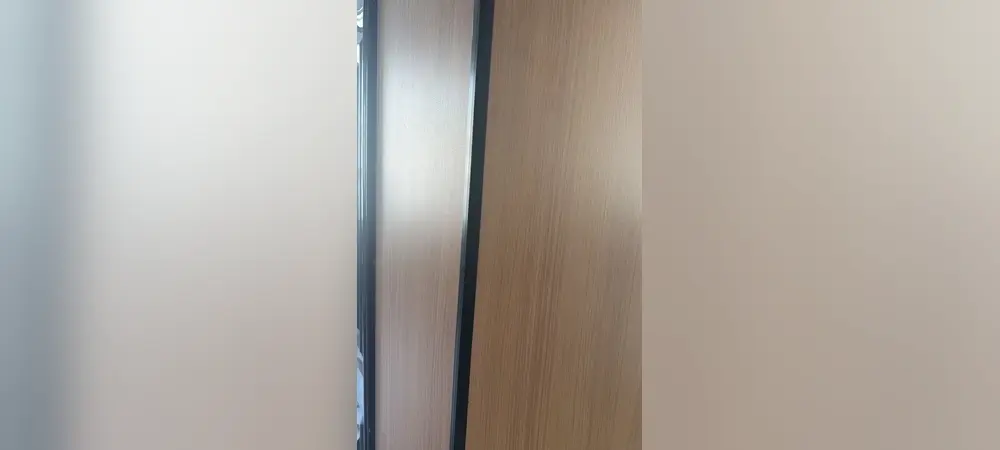
ZX has more than 200 surface finishes for quick-install wall panel, including wood grain, stone grain, and solid color options. For OEM and chain-brand projects, custom colors are also available. Standard sizes range from 2.4m to 4m long, 1.22m wide, and 6mm to 12mm thick. Custom sizes can be made for projects that don't follow these guidelines. On a single brand theme, this range includes everything from remodeling one flat to remodeling a hotel with 500 rooms.
Procurement Insights for Quick-Install Wall Panels Over Existing Walls
When a project-based renovation company needs to buy wall cladding, they need to find a supplier that can work with their schedule and not just offer the best price per unit.
Key Specifications to Confirm Before Ordering
Check the formaldehyde emission class (E0 or higher), the flame retardancy grade (B1 at least for commercial projects), the durability of the surface finish (Grey scale 4 or above in xenon arc aging tests), and the tongue-and-groove profile's size tolerances. These four pieces of information tell the difference between sellers who meet specifications and those who don't.
Delivery Lead Times and Batch Consistency
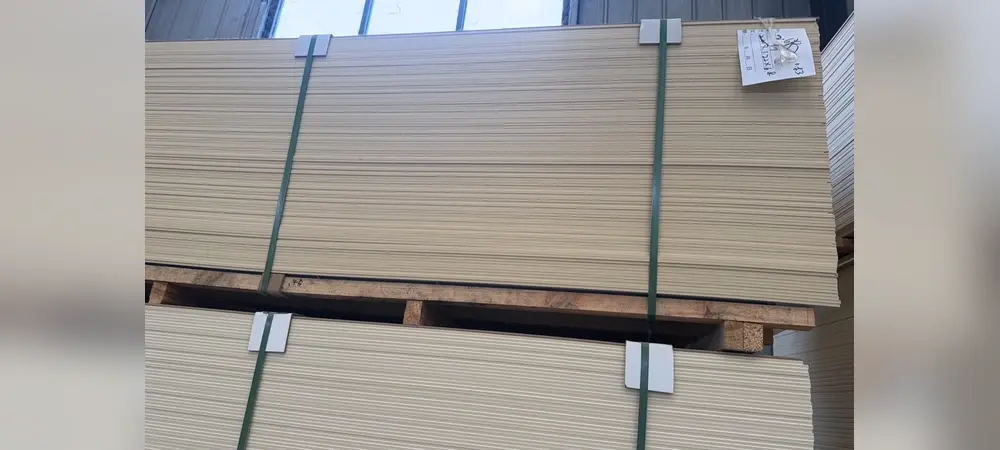
Standard shades are always in stock at ZX, and they can ship within 7–10 days from Zhengzhou, which is a central transportation hub that is easily connected to all of China's major ports. Within 10–15 days, custom colors and sizes will be sent out. Two types of quality control (in-process inspection and pre-shipment random sampling) are used to make sure that all large orders of multiple batches are the same in terms of color and size. This is very important for chain remodeling because color differences between locations hurt the look of the business.
OEM and Volume Order Support
Distributors and renovation chains that need branded panels can get them from ZX. For large orders, ZX gives OEM labeling and priority production scheduling. Buyers who buy in bulk also get help with figuring out the right amount of each item and packages with installation instructions. This lowers the buyer's project management costs.
Conclusion
Installing quick-install wall panel over existing walls that are still structurally sound is a clean process that doesn't require demolition, wet work, or long curing times. The building is made of bamboo fiber, PVC, and WPC, and it has an E0 environmental rating and a B1 fire rating. It will last for 15 to 20 years. This system is a useful and proven alternative to traditional wall treatments for commercial operators, distributors, and renovation contractors who need to finish projects faster without lowering the quality of the finish. Before you buy, check the state of the substrate, make sure the seller is certified, and make sure the panel's specs fit the needs of your project.
FAQ
1. Can these panels go over uneven or textured walls?
Yes, with preparation. Surfaces with variance under 5mm install directly. For greater deviation, furring strips level the plane before panel installation. Skipping this step leads to visible gaps at seams, which undermines the finished appearance.
2. What is the delivery lead time for a large order?
Standard stocked colors ship within 7–10 days from Zhengzhou. Custom sizes or colors require 10–15 days. For time-sensitive projects, confirm stock availability at inquiry stage and lock in production slots early.
3. Do these panels improve room acoustics?
The composite core provides approximately 20dB of acoustic dampening, which reduces echo and ambient noise in open-plan commercial spaces. For applications requiring higher STC ratings — recording studios, conference rooms — additional acoustic backing is recommended.
4. Are the panels safe for immediate occupancy after installation?
Yes. E0-level formaldehyde emissions (below 0.05 mg/m³) and zero VOC off-gassing mean spaces are safe to occupy immediately after installation — a practical advantage for occupied hotels, retail stores, and residential tenants.
5. Is OEM available for chain renovation projects?
ZX supports full OEM service including custom color matching and branded labeling. Large bulk orders receive priority production scheduling.
Partner With ZX for Your Next Wall Panel Project
ZX (Zhengzhou Zhongxiu Building Materials Co., Ltd.) sells quick-install wall panel systems directly from the plant to business owners, renovation contractors, and building material wholesalers in the U.S. and around the world. Our panels are designed to be quickly ordered for projects. They come with more than 200 finish options, are CE and RoHS certified, and ship within 7–10 days. Our team gets back to you within 24 hours, whether you need a speedy wall panel provider for a single job or a long-term OEM partner. You can get examples or a project price by going to zhongxiudecor.com or emailing us at info@kangdishi.com.
References
1. Forest Products Laboratory, USDA. Wood Handbook: Wood as an Engineering Material. 2021.
2. American Society for Testing and Materials (ASTM). ASTM E84: Standard Test Method for Surface Burning Characteristics of Building Materials. 2023.
3. European Committee for Standardization (CEN). EN 13501-1: Fire Classification of Construction Products and Building Elements. 2019.
4. World Health Organization (WHO). WHO Guidelines for Indoor Air Quality: Selected Pollutants. 2010.
5. National Association of Home Builders (NAHB). Study of Life Expectancy of Home Components. 2021.
6. Building Research Establishment (BRE). Good Practice Guide: Refurbishment of Existing Walls with Dry Lining Systems. 2020.
Online Message