
Nov 18, 2026
How to Install Wall Panels in 5 Easy Steps
You can install an easy install wall panel in five steps: measure the wall and choose the panel, prepare the surface, gather tools and adhesive, fit the boards one by one, and inspect the finished wall. Measure at several points and add 5%–10% extra material for cuts. Start with a clean, dry, solid wall. Then mark a level line, fit the first panel, and lock each tongue-and-groove edge into the next. Finish with trims and sealant where needed. A small DIY wall takes several hours, and our ZX system needs no drilling.
Why Easy-Install Wall Panels Are Popular for Fast Renovation Projects
What an Easy-Install Wall Panel Is
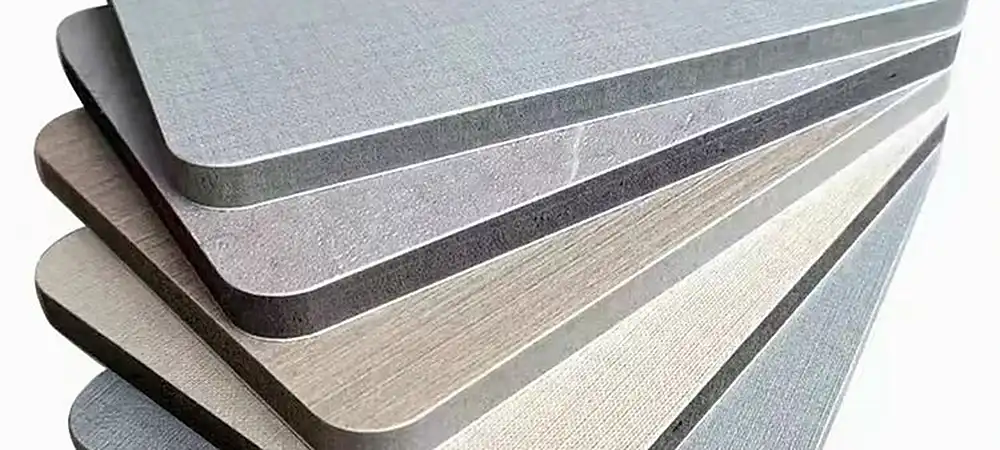
You can glue, use self-adhesive backing, or plaster together board edges that have already been cut out. An easy-install wall panel is similar to this. You don't need to paste, paint, or grout. We use a mix of bamboo and PVC to make our ZX panels. They are 5–10 mm thick, have different densities, and are very light. Plus, they last at least 15 years. The lengths are 2.44m, 2.5m, and 2.7m, and the widths are 1.22m, which is 4 ft. You can also ask for lengths that aren't shown. The board is light and can be cut with a pocket knife or fine-tooth saw, so most of the pieces can be moved by one person. That works whether you do it yourself or buy something.
Where Fast Renovation Projects Use Them
People put these up in bedrooms, bathrooms, basements, and kitchens. Other people who work for shops, hotels, and businesses use them too. A store or business can stay open while the work is being done because there is no noise or dust from the digging. The room can be used right away after our eco-friendly E0/E1 film is put up. It's easy for stores to stock up on these boards since they are all the same size and weight. Moving them also takes less work and less freight. Things that don't need to move as fast don't need as many trades or steps.
What to Check Before You Start
I check five things before I start a job: the papers, the wall, how it will be fixed, and how hard it is to fire people. The EPA of the United States says that mold can't grow without water. That is, in wet places, you should use boards that can handle water. Our screens only took in 0.5% of the water after being in water for 24 hours. They also have the Class B1 mark, which means they don't catch fire. This test report needs to meet the ASTM E84 code that people in the US use for their projects. First, ask for fact sheets and samples. After that, read each claim one more time before you place your order.
How to Install Wall Panels in 5 Easy Steps
Step 1: Measure the Wall and Select the Right Panels
There might be more than one way to figure out how tall and wide something is because walls aren't always the same size. Multiply the length by the width and then subtract the doors and windows to get the net area. An extra 5% to 10% should be added to cut down on waste, make designs match, and plan for future repairs. A board that is 1.22 meters long and 2.44 meters wide is about 32 square feet. If the easy install wall panel is going to be used in a bathroom, choose boards that won't get damaged by water. Before you place your order, make sure you know the panel's thickness, density, finish, and how it will be placed. Pick a length like 2.44m, 2.5m, or 2.7m that doesn't leave much room on the wall.
Step 2: Prepare the Wall Surface and Installation Area
Most of the time, being ready will help you not fail. They can be put on top of drywall, plywood, concrete, painted walls, or tile as long as the surface is clean, dry, and thick. Fix any cracked, broken, or leaky tiles that you find. Get rid of the paint, grease, and dust that are coming off. With tongue-and-groove, we can hide wall flaws up to 3 mm (1/8 inch) thick. This makes it simple to put together. So you don't have to do much to get ready. The glue will hide cracks and other marks on the surface. If the dip is bigger, you will still need furring strips or leveling powder. Figure out how hot and damp the room is and write down the names of the pipes, corners, and outlets. Make sure the boards are dry and level.
Step 3: Gather the Tools and Installation Materials
Prepare everything ahead of time. You will need a pencil, a square, a level, a pocket knife or fine-tooth saw, a tape measure, and a rubber roller. In that order. You can use a jigsaw or circle saw to make long cuts and holes. To put on sealer, you need a caulking gun. Pick glue and finish that match the paper on both sides. To keep your eyes safe while you cut, put on safety glasses, gloves, and a mask. The drill is often left in the shed because our boards don't need to be nailed or drilled. Figure out where to begin and how to cut, then trim the pieces.
Step 4: Install the Panels in Five Practical Actions
This order works every time, so don't change it. Make a line on the ground to begin. Cut the first piece in half first. Then, line up the edge that's done with the part that people will see the most. Third, either use construction glue to stick it where you marked it or peel off the back so it sticks itself and stick it on. Fourth, make sure that all of the edges are lined up as you fit each tongue-and-groove into the next board. The holes between the pieces are so small that you can't even see them. This makes it look like there is only one wall. Fifth, varnish the floors, ceiling, and wet spots and add corner profiles and trims to finish the job. To get an even setting, press down hard on the roller.
Step 5: Inspect, Clean, and Maintain the Finished Wall
Take a look at the wall to find any straight lines, even joints, trim connections, or boards that aren't connected right or are loose. Wet spots should have a seal that goes all the way around them. There shouldn't be any gaps or changes in color. Building a small wall by yourself doesn't take long; for a business, it can take days to do something simple. It matters what cuts you make, how you get in, and how long it takes to dry. Use a soft cloth and a mild cleaner to clean it every day. It's easy to clean and doesn't show spots or dirt. Do not use strong solvents, and check the seals often.
Easy-Install Wall Panels Compared With Other Wall Finishing Options
Versus Wallpaper and Paint
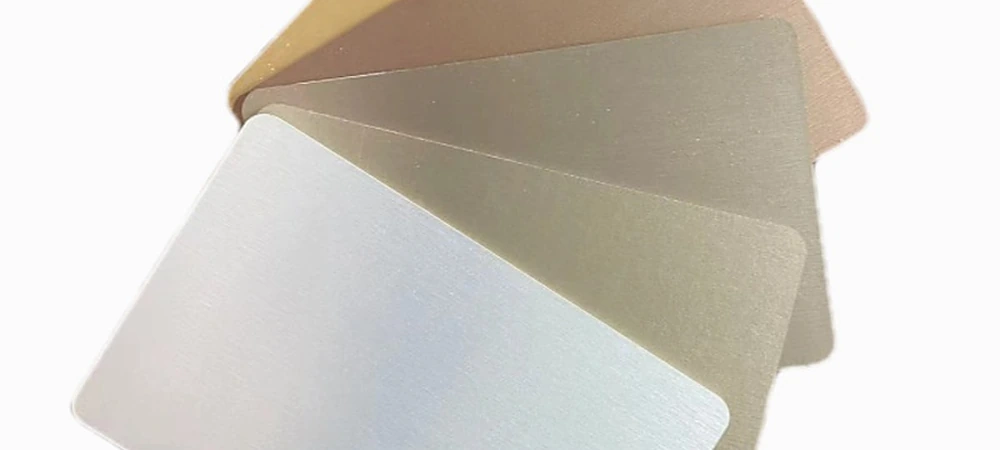
Paint and paper need a smooth wall and will show every fold. When paper in the bathroom gets wet, the seams can also come apart. It doesn't stain and, in 24 hours, doesn't soak up more than 0.5% of its weight in water. It also hides small flaws in the wall. Give it time; paint smells bad while it dries. We can move in as soon as the walls are up, though. This is another color you can choose from: You can match any color with ZX. It also has 3D wave, wood grain, and marble effects. That's why I like the choice. You can still paint the wall; an easy install wall panel one-color change if it's in good shape.
Versus Tile and Drywall
Finishing clay tile and plaster takes longer and weighs more. That's all you need to put down tile: bricks, grout, time to dry, and careful people. You have to wait while the paint, mud, sand, and wallpaper make a lot of noise. Our boards are light, which makes them easier to move and set up. You don't even need wet trades to put them up. If Dì± and MDF get wet for a long time, they can bend or peel. Our co-extruded surface layer, on the other hand. It doesn't mildew in wet places like kitchens, bathrooms, and laundry rooms. Find out everything you need to know from your source before you start closing off heavy-spray shower places.
Adhesive, Interlock, and Other Fixing Methods
Putting things on walls can be done in a number of ways. Clean, dry, smooth surfaces are the best places for sticky backs to stick. Even more so when adding accent walls or making changes to the store. Wall flaws up to 3 mm thick can be hidden by tongue-and-groove sides that fit together. They can also deal with changes in temperature. Construction glue is best for places where a lot of people walk by. What's inside the boards, how well they resist fire, how much water they can hold, and how are the outsides finished? You can compare bamboo-PVC boards to boards made of PVC only, hybrids, layers, or wood. Our stuff is split into two because it's very light and was made in a certain way. This keeps the board dry and light.
How to Choose the Best Easy-Install Wall Panels for Your Project
Match the Panel to the Room
Start by setting the scene. Some surfaces need to be able to keep dirt and water out, while others need to be able to handle a lot of water. In places like shops, restaurants, and offices, walls and floors may need to be able to stand up to fire and hard hits. They're safe around fire and come in different sizes. Level B1. If the walls get a lot of use, pick a harder board. If the walls have more features, pick a softer board. Most ceiling heights can handle lengths of 2.44 m, 2.5 m, or 2.7 m. Cutting to length saves time and material in places with high ceilings.
Compare Total Installed Cost, Not Only the Board
It's not just the board. When you pick a choice, you should think about how much it will cost to trim, glue, ship, package, work, throw away, and maintain. Homes save time and money because they don't have to be drilled. They do this because they make the freight lighter and easier to move. There is less trash when you order lengths that are the same height as the wall. It may not be worth the extra money if the boards break, the numbers are wrong, or it takes too long for new ones to come. These are all things that people who want to buy something should think about at least once.
Evaluate the Supplier
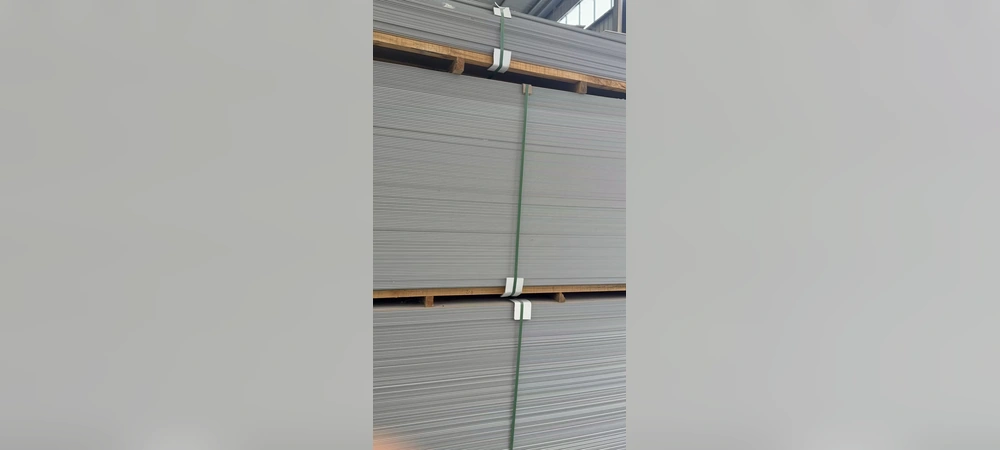
Not only should you check the goods, but also the people who want to buy them. Find out about test results, samples, wait times, private labeling, OEM options, and how to pack things to send overseas. This 132-hectare area is where ZX and Zhengzhou Keyi Aluminum work. It has three branch plants and makes more than 15,000◡ every day. ISO 9001:2015 has approved it. Our QC team checks random samples, in-line limits, and the raw materials before putting them on the truck. As part of their job, someone on our operations team has to get things through customs, clean, pack, and plan when sea freight will arrive. When something is in stock, it takes 7–10 days to ship. When you place an order, it takes 10–15 days to ship.
Common Installation Mistakes and How to Avoid Them
Skipping Surface Preparation
If you don't prepare adequately, you will smash more screens than boards. If you place items on damp, oily, or otherwise unstable surfaces, the joints may break, shift, and open. Before placing the first panel, examine the surface for moist areas and correct them. Remove any damaged tiles, peeling paint, or cardboard dust. If a wall dips more than the interlocking system can cover, you may correct it using leveling compound or furring strips. If you look fast, you don't have to put everything back together again.
Ignoring the Level Line and Expansion Gaps
If you miss the level mark, the boards won’t align appropriately. You can see this on the entire wall, since each board is following the board before it. Mark the line before the first panel is raised and verify it. Leave room around lines, electrical boxes, floors, ceilings, walls, and other things your installation instructions tell you to do. Panels may also be damaged by temperature fluctuations. Then cover it with trim. During manufacture, the tongue-and-groove restrictions are constantly verified to ensure that they are within 0.05mm. This allows you to create sections that operate nicely with each other.
Using the Wrong Adhesive or Rushing Cure Time
If the adhesive or sealant does not match the wall or the back of the panel, the connection may be weak or not watertight. Before cleaning or heavy use, read the data sheet and do a patch test. Then let it rest for the time it recommends for repair. And this is the second error individuals do while shopping, both in shops and online: they buy the cheapest item. This might cause damage, waste, and longer wait periods for new ones. Get samples, assemble it yourself, and make sure you know how it’s packaged before you agree to a new SKU.
Conclusion
Be careful you measure the easy install wall panels accurately first. Then clean and prepare the surface, use the correct tools and glue, and ensure that the panels are level and sturdy. Review them when you tidy them up. They go up quicker than paint, tile, and drywall because they generate less noise, dust, and wet work. You will need to use craft glue, interlocking glue, or self-sticking glue to repair it. It has to go with the room and the wall as well. It’s more about what you pay to erect it, keep it dry, and how many fires it’s been in, than what the board costs. Things will almost always go wrong if you don’t plan correctly, neglect expansion gaps, or use mismatched adhesives. It is simple to create smooth walls if you use light bamboo-PVC boards that are checked out by the supplier and clear information is given. This is still true whether the task is done for joy or for money.
FAQ
1. Can I install panels over existing tile or drywall?
Yes, as long as the surface is clean, dry, and steady. We can hide flaws up to 3 mm deep with our links. You can use leveling powder or furring strips for bigger dips.
2. What tools do I need?
With a pencil, a small knife or fine-tooth saw, a level, a rubber roller, and a caulking gun, you can do most jobs. You don't have to drill if you want to build without nails.
3. Are the panels suitable for bathrooms?
Yes. Mold doesn't grow on it, and it doesn't soak up more than 0.5% water in 24 hours. Seal the edges and joints to keep them safe for a long time.
4. How long do the panels last?
If you put them up right, keep water away, and clean them gently, they will last more than 15 years.
Request Samples and a Project-Specific Wall Panel Recommendation from ZX
Do you need an easy install wall panel manufacturer who can work on projects in both residential and commercial settings? ZX sells light panels that are made of bamboo and PVC. Class B1: They don't catch fire. They are eco-friendly to make (E0/E1), and they can be made in any color or with your own logo. The plant that makes them makes more than 15,000◡ every day. Email us at info@kangdishi.com with the size of your wall, what it will be used for, how much you need, and where it will go. We'll then send you models and more information.
References
1. Moisture Control Guidance for Building Design, Construction and Maintenance (U.S. Environmental Protection Agency), 2013
2. Formaldehyde Emission Standards for Composite Wood Products (U.S. Environmental Protection Agency), 2016
3. Standard Test Method for Surface Burning Characteristics of Building Materials, ASTM E84 (ASTM International), 2023
4. International Residential Code (International Code Council), 2021
5. ISO 9001 Quality Management Systems – Requirements (International Organization for Standardization), 2015
6. NFPA 101 Life Safety Code (National Fire Protection Association), 2021
Online Message