Jul 30, 2026
The Ultimate Guide to PVC Wall Panels
When searching for versatile, durable wall covering solutions, PVC interior panels stand out as engineered composite materials that combine polyvinyl chloride resin with calcium carbonate and stabilizers. These architectural surfacing systems replace traditional materials like wood and plaster, solving critical challenges including moisture-induced degradation in humid zones, high labor costs associated with wet-process construction, and maintenance intensity. With their non-porous surface resisting mold and mildew while maintaining a lifecycle of 15-20 years, these panels deliver practical performance across residential, commercial, and industrial applications.
Understanding PVC Interior Panels: Composition, Types & Core Benefits
In terms of building material science, PVC interior panels are a major development. Modern engineering meets practical functionality in these solutions that are both light and strong. They solve problems that construction professionals and building material distributors face in the real world.
What Makes PVC Panels Different?
High-quality polyvinyl chloride resin is mixed with calcium carbonate and special stabilizers to make up the core composition. This recipe makes panels with densities between 0.5 and 0.7 g/cm³ for hollow ones and up to 1.4 g/cm³ for solid-core ones. Our production process has been improved over 30 years, and strict ISO 9001 standards make sure that the quality is always the same. In stock, the panels we make come in thicknesses ranging from 4.8 mm to 7.5 mm. If needed, we can also make panels with thicknesses up to 15 mm. Standard widths of 1220 mm and lengths that can be adjusted from 2400 mm to 3000 mm make it possible to place it in a variety of situations.
Key Performance Characteristics
Because they are waterproof, pvc interior panels are perfect for places like kitchens and bathrooms that are always getting wet. Because these panels don't absorb much water, they don't rot or warp like wood-based alternatives do. Fire resistance meets B1-grade classification under EN 13501-1 standards, which means it can put out fires on its own, which is very important for business buildings, especially in the Middle East, where rules are very strict. Through hollow-chamber designs, our panels also block 20 to 30dB of sound, making them better for use in healthcare and hospitality settings.
Types and Applications
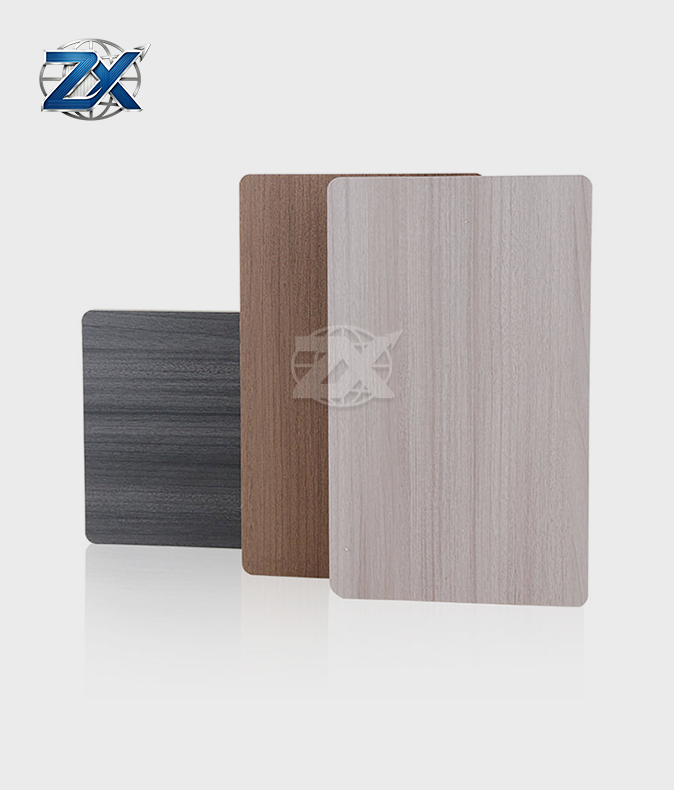
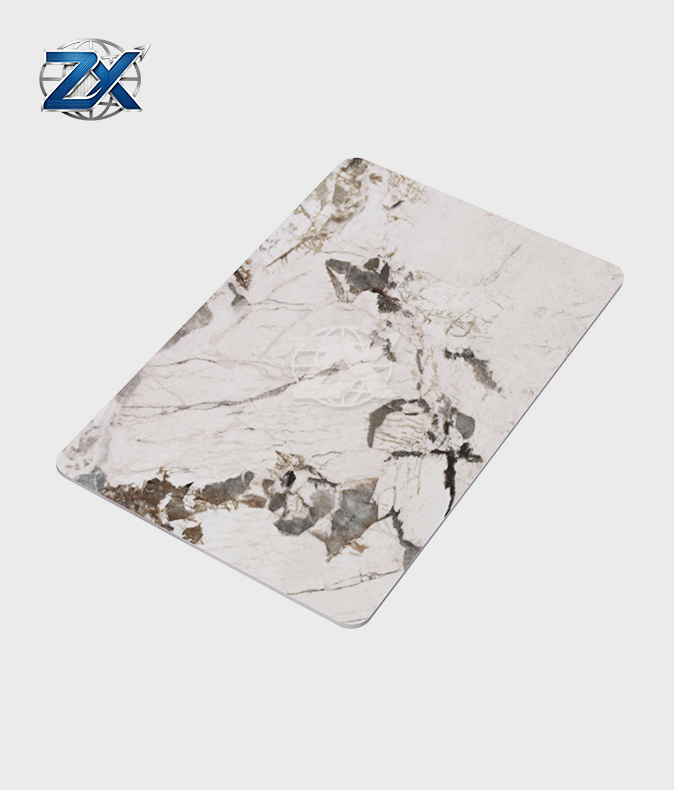
We can make over 200 different surface treatments, such as finishes that look like wood, patterns that look like marble, and solid colours. The surface is non-porous and can handle medical-grade disinfectants without stains. This is good for healthcare centers. Hotels and stores like the high-end look and quick installation, which lets upgrades happen overnight without any dust problems. Better hygiene barriers than MDF-based products for bathrooms and kitchens that are seamless and don't have grout.
There are four types of surface finishes: glossy, matte, polished, and laminated. We keep 42 standard colors in stock, and unique color samples are ready in seven days. This variety lets interior designers and builders meet specific needs for style while also meeting practical needs.
PVC Wall Panels vs. Alternative Wall Coverings: Making the Right Choice
Choosing the right wall coverings affects how long a project lasts, how well it stays within budget, and how safe it is. Procurement professionals can make better decisions when they know how PVC interior panels compare to other materials.
Comparing Material Performance
Wood panelling is naturally beautiful, but it can get damaged by water and needs to be maintained regularly. Gypsum boards have smooth surfaces, but they need to be put up by a professional and can break down in damp places. Laminate alternatives aren't very durable, and they can come apart if they get wet. These choices aren't as good as PVC interior panels because they don't let any moisture in, they don't change size much when the temperature changes, and they're scratch-resistant up to 5H on the pencil hardness scale.
The smooth PVC surface makes cleaning a lot easier for building workers. Instead of porous materials that trap dirt and bacteria, these panels are easy to clean with normal cleaning products, so they keep their look without a lot of work. This trait is especially useful in public areas that need to be cleaned up often, like businesses.
Lifecycle Cost Analysis
The initial cost of materials is only one part of the total costs of ownership. It's very important that the installation goes smoothly. Our interlocking tongue-and-groove systems make installation quick on-site without the need for special tools or skills. The 15-20 year lifespan means that it doesn't need much maintenance, so you don't have to pay for cleaning or replacement costs as often with wood. Thermal insulation properties make things more energy efficient, which could mean lower heating and cooling costs.
Safety and Compliance Considerations
Different areas and types of buildings have different fire safety rules. Our B1 flame retardant panels meet the commercial building rules in the Middle East, and they also have smoke suppressants built in to meet S1 smoke production standards. In the event of a fire, this produces fewer harmful fumes than regular plastics. CE, SASO, and B1 certifications make it easier to clear customs in controlled markets, which makes it easier for dealers and wholesalers to bring goods into the country.
Installation and Maintenance: Ensuring Long-Term Performance
With the right placement and upkeep, PVC interior panels will last as long as possible while still looking good and working well.
Preparation and Installation Process
Before starting to prepare the surface, make sure the base is clean, dry, and physically sound. When properly degreased, panels can be put on top of old tiles, saving money on removal costs. To account for thermal expansion rates of 0.07 mm/m/°C, we suggest leaving 1-2 mm expansion gaps at the sides. Changes in size can be handled by sliding clip systems that don't leave gaps or buckle.
Our team gives you useful tips on how to install wall panels in wet areas. Moisture can't get behind panels in bathrooms and kitchens if you follow the rules for sealing around fixtures. Panels are usually only 2.8 to 3.5 kg per square meter, which means they can be installed directly with adhesive or furring strips without the need for structural support.
Maintenance Best Practices
Wiping down surfaces with damp cloths and light cleansers is a normal way to clean. Do not use rough cleaners that could damage ornamental surfaces. Check sealed areas often and reapply sealant if gaps show up. If you make sure that enclosed spaces have enough air flow, condensation won't build up. However, the waterproof properties can handle some moisture exposure without any problems.
Problems like warping are often caused by bad installation that doesn't leave enough room for expansion or by being exposed to sources of extreme heat. Discoloration doesn't happen very often with good panels, but it could be a sign of chemical contact or UV damage in direct sunlight settings. Long-term problems can be avoided by taking care of these issues during installation.
Procurement Strategies for PVC Interior Panels: From Sourcing to Delivery
Strategic procurement makes sure that there are reliable supply chains that deliver high-quality interior decorative PVC panels on time and on budget.
Evaluating Supplier Capabilities
Verification of certification is the basis of evaluating a seller. ISO 9001 quality management systems show that process controls have been set up. Certifications for specific products, such as CE, REACH, RoHS, and EN13501-1, show that they meet international standards. We keep a lot of paperwork to support regulatory needs in places around the world.
When scaling sales, manufacturing ability is important. There are three combined factories at our site, and they have more than 300 mold sets to support both standard output and custom development. Standard colors that are in stock make it easy to send out small wholesale orders quickly, and having a lot of raw materials on hand lets you send out items on the spot without having to wait for long lead times.
Customization and Quality Verification
OEM and ODM services meet the needs of individual brands. We offer free private label services and custom outer carton design, which helps distributors stand out in the market. Custom panel colors can be made to fit regional tastes. This is especially important in Southeast Asia, where people have very different tastes in interior design. To meet the needs of structural and acoustic performance, thicknesses can be changed from 5 mm to 10 mm stock and from 3 mm to 15 mm custom.
Free samples let buyers check the waterproofing, surface finish, and size accuracy of a product before placing a large order. This way of lowering risk builds trust in relationships with suppliers and makes sure that products are suitable for their intended uses.
Logistics and Delivery Optimization
With factory-direct supply, there are no markups for middlemen, which makes prices more competitive for buyers around the world. Multiple ports in China stock a wide range of goods, which allows for flexible shipping plans. Different order volumes can be handled with full container load (FCL) and less-than-container load (LCL) options. Damage can't happen during shipping if you use standard pallet sea packing with edge protectors and stretch wrap. Export paperwork support, such as certificates of origin and sanitation certificates, makes the process of clearing customs faster.
For normal orders, production usually takes 7–10 days, and delivery takes 10–15 days, based on where the order is going. Priority production scheduling helps long-term partners and urgent projects, which shows that we are dedicated to providing reliable service.
Future Trends and Innovations in PVC Wall Panels for B2B Markets
The creative building materials industry is always changing because of rules about being environmentally friendly, new technologies, and shifting tastes in style.
Sustainability Initiatives
Environmental concerns are becoming more and more important in procurement decisions. Utilizing calcium-zinc stabilizers rather than lead-based compounds, modern PVC interior panels are 100% recyclable. The formula meets the requirements for both REACH and GreenGuard Gold indoor air quality certifications. This helps companies meet their environmental obligations without lowering the quality of the product. Low-VOC emissions at the E0 level protect the air quality inside occupied spaces. This is especially important for schools and hospitals.
Technical Advancements
Manufacturers are looking into adding intumescent materials and clay fillers to improve fire protection technologies. The goal of these new ideas is to get better fire ratings while keeping costs low. Better surface treatments make things less likely to scratch and more stable in UV light, which extends their useful life in tough situations. Antimicrobial coats are becoming useful additions to places like hospitals and restaurants that need to meet higher cleanliness standards.
Digital Integration
Digital design tools that let you see how colors and patterns will look together before they are made make customization even easier. Online procurement platforms make it easier to place orders by showing real-time inventory and letting you track shipments. These systems make it easier for buyers and sellers to keep track of orders and cut down on the work that goes into doing it.
Market trends show that adoption will grow in business repair projects that need fast installation with little downtime to stay competitive. People who import and sell building materials and work with skilled makers can take advantage of rising demand in both the domestic and business markets.
Conclusion
Due to their waterproofness, fire protection, ease of installation, and low upkeep needs, PVC interior panels offer significant benefits in a wide range of application scenarios. When compared to common building materials like wood and gypsum board, these engineered solutions work better in damp places and cost less over their entire life. Project success is guaranteed by good procurement strategies that focus on source certifications, the ability to customize, and dependable logistics. As technology and sustainability continue to shape the future, these panels will still be able to meet the changing needs of the market and help distributors, contractors, and design professionals who are looking for reliable, low-cost wall covering options.
FAQ
Can PVC wall panels be installed over existing tiles?
Installing over old tiles works well as long as the base is still physically sound and has been properly cleaned. Because it's so light, direct adhesive bonding can be done without any structural reinforcement. This saves money on demolition costs and time during installation.
How do these panels respond to thermal expansion?
We put 1-2 mm expansion gaps at the corners and use sliding clip systems to control the 0.07 mm/m/°C linear expansion coefficient. This keeps the panels from buckling or showing gaps when the temperature changes, which can happen in climate-controlled buildings.
Are PVC interior panels susceptible to scratching?
The wear layers on good panels are between 0.3 mm and 0.5 mm thick, and the topcoats are UV-cured and rated 3H to 5H on the pencil hardness scale. In both business and domestic settings, this gives it great resistance to regular wear and tear and impact.
Do these panels emit toxic fumes during fire events?
Our B1-rated panels have smoke suppressants that meet S1 smoke production standards. This makes them much less harmful than regular plastics. This engineered fire performance meets the strict requirements of business building codes.
Partner with ZX for Reliable PVC Interior Panel Supply
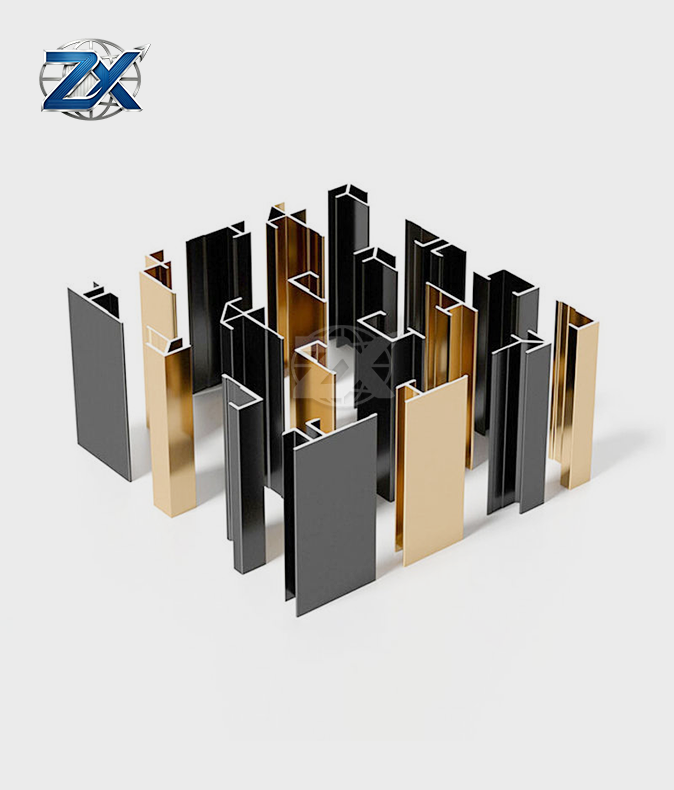
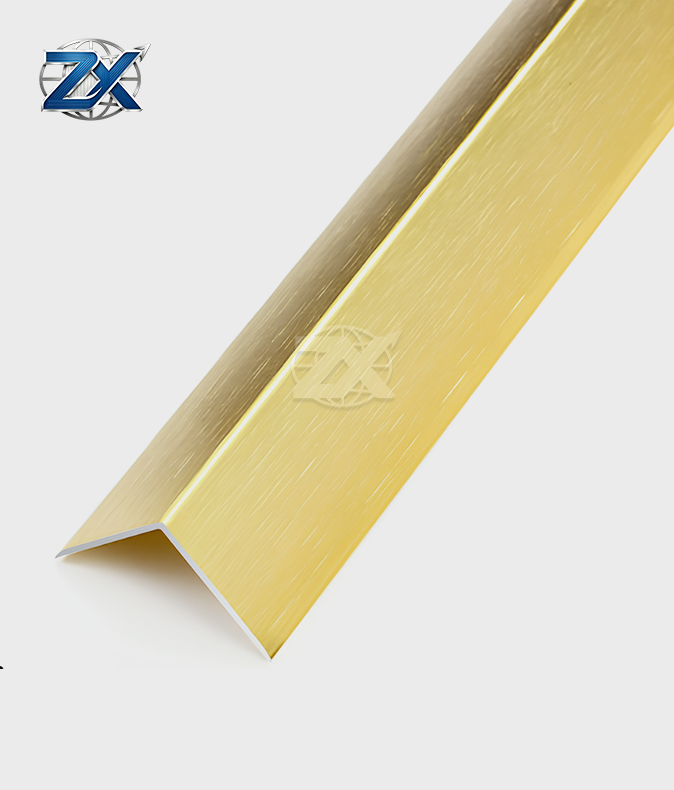
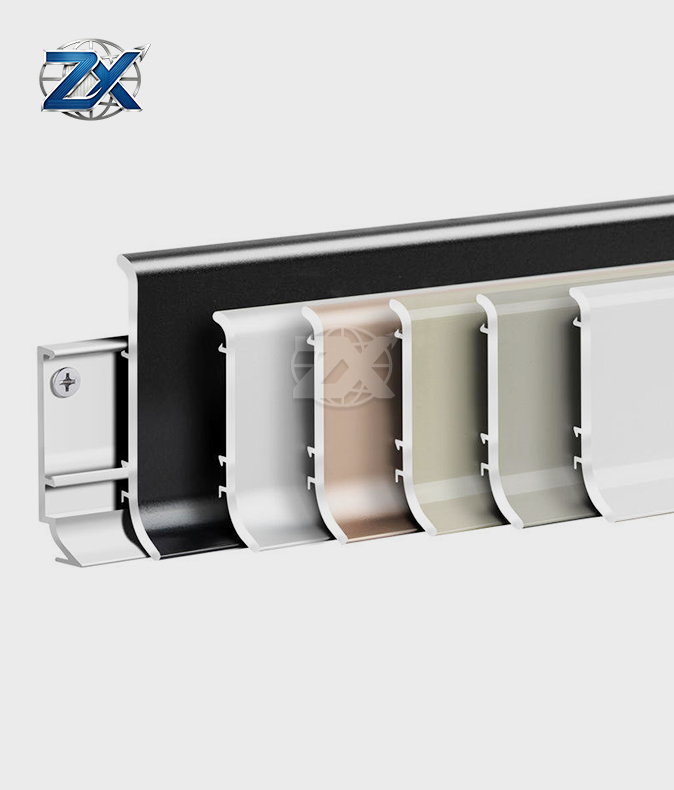
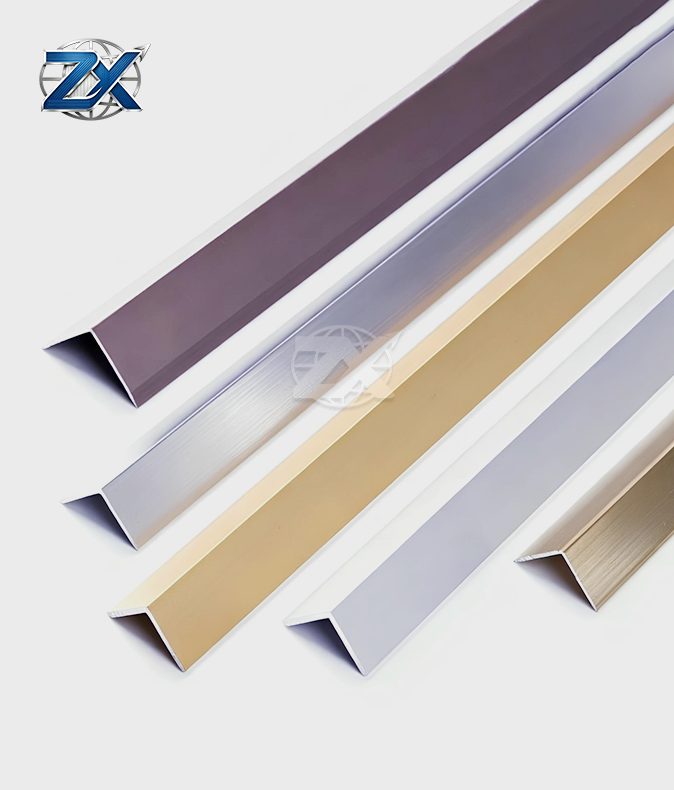
Beyond normal PVC interior panels, Zhengzhou Kangdishi Decorative Materials Co., Ltd. offers complete options. Our integrated supply system includes skirting boards, grilles, and decorative trims that all match. This lets you buy in bulk at once, which makes project coordination easier. With competitive factory-direct prices, quick 7-10 day production cycles, and flexible customization services, we support building material importers, contractors, and distributors as a reputable PVC interior panels manufacturer with CE/SASO/B1 certifications. Email our team at info@kangdishi.com to get free samples and talk about how our steady supply can help you stand out in the market.
References
1. Smith, J.R. & Anderson, M.K. (2021). Modern Building Materials: Performance Characteristics of Polymer-Based Wall Systems. Journal of Construction Technology, 45(3), 178-195.
2. International Building Standards Council (2022). Fire Safety Ratings and Compliance Guidelines for Interior Finishing Materials. Technical Report Series, Volume 18.
3. Thompson, L.E. (2020). Comparative Lifecycle Analysis of Interior Wall Covering Materials. Sustainable Construction Review, 12(4), 234-251.
4. Chen, W. & Rodriguez, P. (2023). Innovations in PVC Composite Manufacturing: Quality Control and Environmental Standards. Materials Engineering Quarterly, 38(2), 89-107.
5. Global Construction Materials Association (2022). Procurement Best Practices for Large-Scale Commercial Projects. Industry Guidelines Publication, 7th Edition.
6. Martinez, D.S. (2021). Moisture Management in Commercial Buildings: Material Selection Strategies. Architectural Systems Journal, 29(1), 45-62.
Online Message
YOU MAY LIKE
High quality furniture manufacturer