
Nov 25, 2026
Top Benefits of Using Wall Trim Lines for Home and Commercial Design
Wall trim lines are building profiles that are used to finish the edges of walls, ceilings, floors, and door frames. They keep surfaces from chipping and getting wet, and they give any room a clean, finished look. For procurement workers who need to buy a lot of materials, these profiles are a high-volume, high-turnover group that has strong demand further down the line. If you know how decorative trim profiles work with different materials, environments, and budgets, you can make faster, more confident decisions about where to buy things. This is true whether you're stocking a building materials distributorship or choosing finishes for a hotel project.
Understanding Wall Trim Lines: What They Are and Why They Matter Definition and Scope
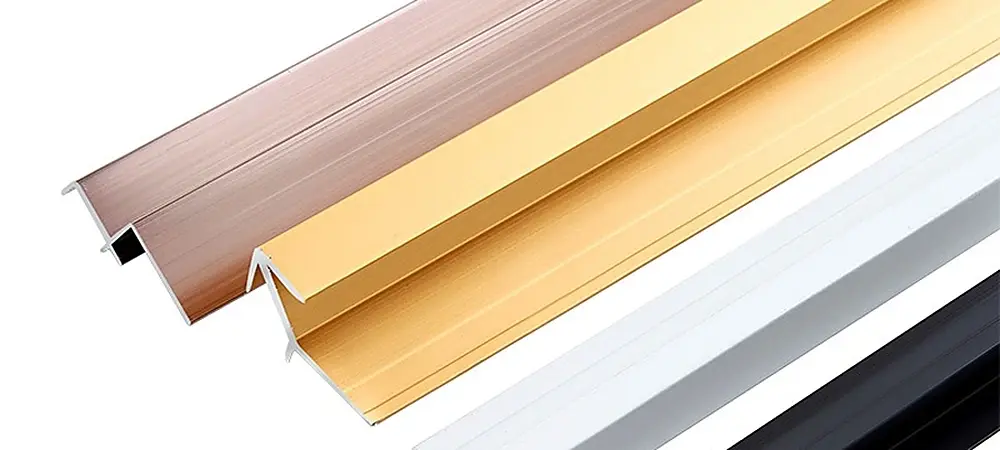
Wall trim lines are precisely extruded profiles that are meant to fill in structural gaps, keep substrate edges in check, and make the visual lines between surfaces clear. Crown molding connects ceiling to wall corners and baseboards run along floor-to-wall joints. Trim lines, on the other hand, connect door frames, feature wall borders, panel joints, and accent wall edges. They serve both a structural and an esthetic purpose.
Common Materials and Their Properties
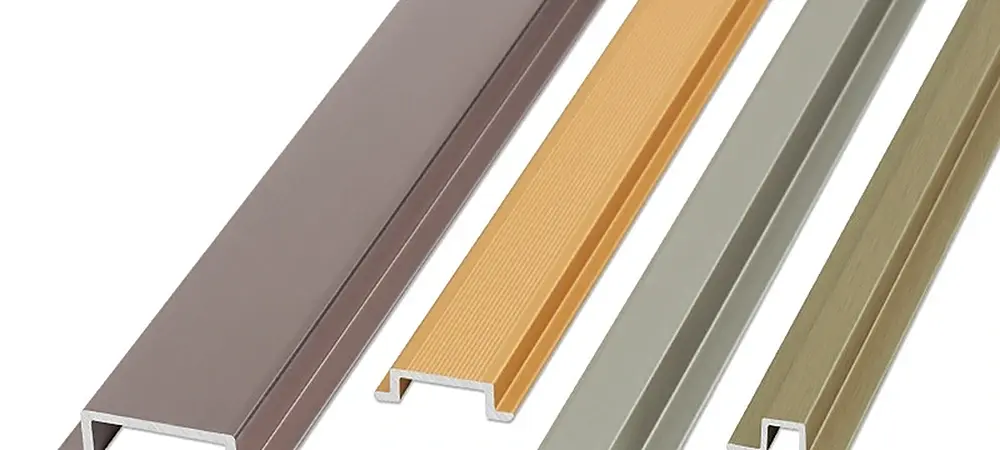
Alum alloy, PVC, PU, and WPC (wood-plastic composite) are the four most common types of materials. Aluminum has a tensile strength of more than 200 MPa and a surface film that is anodized and at least 10 µm thick. This film protects the aluminum from UV damage and oxidation. PVC and PU types have a Shore D hardness of 75 to 85 and don't warp when they get wet. Because WPC shapes look like wood grain and don't absorb water, they are popular in damp home and business settings. When they are CE and RoHS certified, all four types of materials meet international standards for export markets.
Why Procurement Professionals Should Pay Attention
For buyers and wholesalers who are in charge of dozens of SKUs, trim profiles are something they buy on a regular basis, not just once. Due to their low unit value and large project volume, the two most important supply chain factors are their per-unit price and how quickly they can be restocked. When compared to a provider that needs large minimum order quantities per style, one that can ship within 7–10 days and handle mixed-SKU orders, the latter significantly lowers inventory pressure.
Top 5 Benefits of Wall Trim Lines for B2B Clients
Wall trim lines help with real issues that come up at work and in the warehouse. These five perks are the ones that buying leaders think about the most:
- Surface protection and gap coverage: Trim profiles absorb impact at vulnerable edges, including door frame corners and panel joints, preventing chipping in high-traffic corridors. According to the International Journal of Building Pathology and Adaptation, unprotected interior edges account for a disproportionate share of cosmetic maintenance costs in commercial properties.
- Aesthetic consistency across large installations: With cross-section sizes ranging from 20 mm to 120 mm and over 200 surface finish options (wood grain, brushed metal, matte, solid color), a single supplier can match profiles to nearly any wall panel or cabinet finish. This matters for full-house customization companies that need color-matched trim delivered in sync with panel production.
- Reduced labor time: Profiles attach with structural adhesive rather than mechanical fasteners. No sanding or repainting is required after installation, which measurably reduces finishing hours on commercial job sites where labor costs are significant.
- Long service life: PU, PVC, WPC, and aluminum profiles from certified manufacturers carry a documented service life of 12–18 years. Damp-resistant construction means the profiles will not crack or yellow in kitchens, bathrooms, or coastal hotel environments.
- Versatile application range: The same product line can supply residential living rooms, hotel corridors, exhibition halls, and office reception areas. For distributors, this versatility widens the pool of downstream buyers for each SKU.
Procurement Insights: Choosing and Sourcing the Right Profiles
Material Selection by Application
Metal shapes are best for places that get a lot of use because they don't tend to bend or break. You can use either PVC or PU for small jobs that need to be done quickly and cheaply. Why is WPC the best choice for places where it rains a lot? Since the plastic core doesn't get bigger when it gets wet for a long time.
Supplier Evaluation Criteria
You should be able to order a mix of styles without having to meet unreasonable minimums, and there should be more than 300 active mold sets for different profile shapes. A good wall trim supplier should have all of these things. It's better if you can restock in less than 10 days. It takes less time to turn questions into orders when suppliers give your sales team samples and printed catalogs of their goods.
Customization and Private-Label Options
Labels and unique packaging are things that some sellers need to make their lines of goods stand out. With OEM and ODM services, wholesalers can make their own lines without having to spend a lot of money on tools. You can get unique color schemes, surface textures, and branding packages from these services. When you go into new markets in the same area where people already know your name, this really helps.
Installation and Maintenance Best Practices
Measurement and Cutting
A lot of material won't go to waste if you measure it properly before cutting. Cutting shapes out of metal is easy with a high-speed miter saw and a carbide blade with at least 100 teeth. Mold curves can be made with just a hand saw or a table saw with fine teeth. In both ways, corners must always be cut at a 45-degree angle to get joints that are tight and don't have any gaps.
Adhesive Application and Fitting
If you don't want the profile to bend after it cures, put structural adhesive on the back in dots but in a continuous bead. When profiles are put in place, there is no gear that can be seen because most of them don't need mechanical connections. Trends in interior design like this method, and it saves a lot of time on trade labor hours for big business fit-outs with wall trim lines.
Routine Maintenance by Material Type
Every once in a while, you only need to wipe down aluminum parts with a damp cloth. On the anodized surface, you shouldn't use pads that are rough. The surface of PVC and PU profiles won't get damaged by mild household cleaners. The glue joint between WPC profiles should be checked every so often to make sure it stays strong. All four types of material don't need to be painted again if everything stays the same. This makes the cost of upkeep low over time.
Wall Trim Lines and Sustainable Design
Eco-Friendly Material Certifications
Because of RoHS approval, profiles are checked to make sure they don't have any banned chemicals like lead or mercury. Items with the CE mark are safe and follow environmental rules in Europe. These certificates are needed for buying teams to buy materials for LEED-certified buildings or projects that the company has set as having environmental goals. You can't pick them.
Compatibility with Modular and Prefabricated Systems
Aluminum and WPC profiles are very accurate in their sizes, so they work well with systems that make up walls. This is because the sizes of the joints are the same for all large installations. There should be no changes in the lines of sight for hundreds of meters. This is important for people who plan shows and teams that set out hotels.
Material Longevity as a Sustainability Metric
Things don't need to be changed as often when they last 12 to 18 years. These changes save money on building supplies and cut down on waste during the building's life. When purchasing teams think about embodied carbon or lifecycle costs, costly profiles that need to be changed every four to six years are not a good long-term investment.
Conclusion
By protecting surfaces, reducing work time, and ensuring that big installations all look the same, wall trim lines add value at every stage of a business or domestic build. For distributors and procurement buyers, the most important things are material certification, a wide range of profiles, fast restocking, and the ability of suppliers to handle mixed orders. Those things are true for profiles made from aluminum, PVC, PU, or WPC that have been approved by CE and RoHS. In the market, you will be even more competitive if you can find a service provider that ships within 7–10 days and pack OEM items.
FAQ
What is the difference between wall trim lines and baseboards?
Baseboards run specifically along the floor-wall junction, while trim lines cover a wider range of transitions: door frames, feature wall edges, panel joints, and ceiling-wall corners. Trim profiles are available in more profile shapes and materials, making them more adaptable to commercial and custom residential applications.
Can these profiles be used in high-humidity environments?
Yes. PVC, PU, and WPC profiles are specifically engineered for damp-resistant performance. They will not warp, crack, or yellow in bathrooms, kitchens, hotel wet rooms, or coastal climates. Aluminum profiles with anodized finishes also perform well in humid conditions.
What cross-section sizes are available?
Profile cross-sections range from 20 mm to 120 mm. Single-piece lengths run from 2.4 m to 4 m for polymer materials; standard aluminum profiles are 3 m, with custom lengths available on request.
Do these profiles require painting after installation?
No. All profiles arrive with finished surfaces (wood grain, brushed metal, matte, or solid color) and require no painting or sanding after installation. This reduces labor costs on site.
Are custom colors and OEM packaging supported?
Yes. Custom color matching, branded packaging, and private-label barcodes are all available through OEM and ODM arrangements, suitable for distributors building proprietary product lines.
Partner with ZX for Your Next Wall Trim Lines Order
ZX’s company name is Zhengzhou Zhongxiu Building Materials Co., Ltd. (zhongxiudecor.com), and it sells wall trim lines that are CE and RoHS-approved for homes, hotels, and businesses. It is safe to trust ZX to make both large and small wall trim lines because they have over 300 molds, over 200 surface finishes, 7–10 day lead times, and full OEM support. Send an email to info@kangdishi.com with your needs or to ask for a sample book right now.
References
1. International Journal of Building Pathology and Adaptation — 2021
2. Construction and Building Materials — 2020
3. Journal of Cleaner Production — 2022
4. Building and Environment — 2019
5. Architectural Science Review — 2021
6. Energy and Buildings — 2023
Online Message