
Sep 23, 2026
What Is a Solid Coldproof WPC Panel?
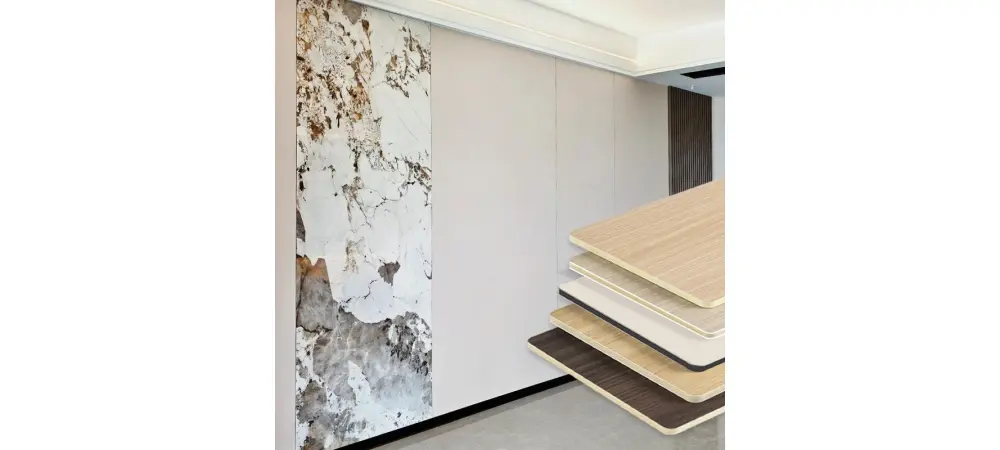
A solid coldproof WPC panel is a high-density, freeze-resistant architectural cladding material composed of wood flour and thermoplastic PE polymer, engineered to maintain structural integrity in sub-zero environments. Unlike hollow or standard wood-plastic composite boards, its non-hollow core eliminates internal moisture pockets that would otherwise expand during freeze-thaw cycles, causing cracking or delamination. Certified to CE, RoHS, EN15534, and E1 zero-formaldehyde standards, this panel category serves exterior wall cladding, cold-storage facades, and Nordic infrastructure projects where conventional timber or PVC solutions consistently underperform.
Understanding the Composition and Core Properties
What Goes Into a Freeze-Resistant WPC Board
The main part of the material is a freeze-resistant PE-wood flour composite, which is made up of UV stabilisers, antioxidants, and low-temperature impact modifiers mixed with recycled wood fibre that is evenly spread out in a high-density polyethylene matrix. This molecular structure leads to a water absorption rate below 0.5% (ASTM D1037), which is the most important factor for uses in cold climates. If water can't get through the panel's surface, ice crystals don't form inside it very often. This means that the damaging freeze-thaw cycle that destroys normal wood or hollow WPC doesn't happen [1].
Key Performance Parameters Worth Knowing
This type of product is different from generic options because it meets certain physical and technical standards. With a density range of 1.25–1.4 g/cm³, it can withstand impacts better than hollow profiles. Its flexural strength is also higher than 30 MPa, and its linear thermal expansion rate is only 0.04 mm/m/°C. This means that its dimensions stay stable over a wide range of yearly temperature changes. Lab tests show that the structure will stay strong at -50°C without breaking apart, which is a very important feature for buying teams that are looking for materials to send to Russia, Scandinavia, Canada, or high-altitude alpine places [2].
These engineering priorities are directly reflected in the product specifications that ZX offers:
- Material: solid coldproof WPC panel made of a freeze-resistant PE-wood flour composite with a frost-resistant core that can be used for outdoor wall uses in cold areas
- Length: The normal length is 3000 mm, and the Nordic extra size is 3600 mm for longer runs on facades
- Width: We stock widths of 200, 250, and 300 mm, and we can make custom widths from 150 mm to 600 mm
- Thickness: 9 mm, 12 mm, and 15 mm in stock; 7 mm to 25 mm on request
- Colour: 24 natural wood tones, and you can get your own colours matched
- Service life: Service life of 15 years for use inside and outside
- Certifications: CE, RoHS, EN15534, and E1 grade with no formaldehyde
These standards give procurement managers a solid starting point for planning projects in a wide range of business building types and climates.
How Solid Coldproof WPC Compares to Alternative Cladding Materials
Buying choices are rarely made in a vacuum; buyers usually look at a number of different types of materials before agreeing to a specification. The comparison below is based on real-world situations, not marketing claims.
Natural wood looks nice, but it takes water quickly, swells in wet conditions, and needs to be refinished every year in cold places. The price per square meter is also a lot higher for better grades. It's easy for aluminium panels to handle cold temperatures, but they don't provide much thermal insulation and can feel industrial in places like homes or hotels. Standard hollow WPC boards are lighter, but they keep wetness inside. Field reports from Nordic building projects show that within three to five years in freeze-heavy areas, the boards start to separate [3].
These holes can be filled by a single solid coldproof WPC panel with a solid core. The wood-like texture looks like expensive real wood, and the zero-formaldehyde approval meets EU indoor environmental standards, which are becoming more and more important for European and North American import channels. Even though PVC panels don't get damaged by water, solid WPC is better at withstanding high winds and snow loads because it can hold more weight and screws (about 50% more than hollow profiles) [4].
Key Procurement Considerations for Global B2B Buyers
There are many things to consider besides unit price when choosing the right freeze-resistant solid coldproof WPC panel provider. Here are the main things that experienced import buyers look at when making purchases:
- Certification alignment: CE, RoHS, and EN15534 certifications make it easier to get goods through customs in the EU, Russia, and Nordic countries. Make sure that the supplier's paperwork is up-to-date and covers the exact batch of products you're buying.
- Dimensional flexibility: Commercial building layouts don't usually match stock sizes. Check to see if the seller can make custom widths from 150 mm to 600 mm and custom thicknesses from 7 mm to 25 mm without having ridiculously low minimum order numbers.
- Pre-production sample protocol: Before finalising specifications, ask for physical samples that can withstand being cold. Testing panels in the local weather, especially during cycles of freeze and thaw, keeps them from breaking in the field, which can be very expensive.
- Supply continuity: Having raw materials saved ahead of time is a big organisational plus. It protects distributors from the price spikes that happen every winter in northern markets for polymer and wood-fibre raw materials.
- Transport route: Buyers in Eastern Europe, Scandinavia, and northern Asia can cut down on wait times by using northern bay paths for both sea and land transport.
Analysis of lifecycle costs is just as important as setting the original price. Compared to wood options that need to be refinished or replaced every so often, a panel that can be used indoors and outdoors for 15 years with little upkeep has a much lower total cost of ownership.
Purchasing, Logistics, and Real-World Applications
From Inquiry to First Shipment
For international business-to-business purchases, there is usually a set process that includes confirming specifications, looking over pre-production samples, placing an order, and coordinating logistics. A reputable solid coldproof WPC panel maker helps buyers at every step of the way by giving them technical datasheets, sample panels for testing in-house, and a choice of how to load containers for full WPC series orders. One-stop bulk buying across a full range of WPC products makes freight easier and lowers the costs of managing suppliers for wholesalers who keep a lot of stock [5].
Where These Panels Perform Best
Three application settings show what the best thing about the information is. UV rays and temperature changes of 40°C between day and nite hit the structures of high-altitude ski resorts, making traditional coverings fall apart over time. For industrial cold storage facades to work, they need an exterior layer that is thermally stable and can stand up to the constant difference in temperature between the cold inside and the outside. Coastal boardwalks in the Arctic and subarctic need to be able to withstand both cold, brittleness, and salty, wet conditions at the same time, as well as static snow loads that regular hollow profiles can't handle [6].
Environmental and Long-Term Sustainability Impact
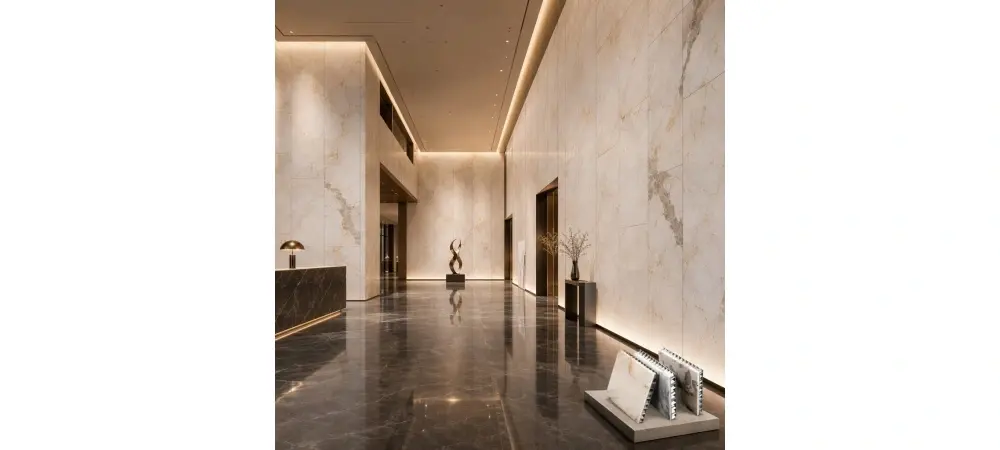
In North America and Europe, rules for green buildings are getting stricter. This type of freeze-resistant composite cladding meets those requirements at the material level: it is made from recycled wood fibre, has E1 zero-formaldehyde certification, and its excellent thermal performance lowers heat loss through the building envelope, which directly leads to lower operational energy use. Compliance with EN15534 sets a standard that procurement teams can use in environmental effect studies and sustainability reports. As green building rules keep growing, choosing an approved eco-friendly solid coldproof WPC panel early in the project cycle lowers the chance of not following the rules later on.
Conclusion
Solid coldproof WPC panels have a clear use: they are used for cladding on the outside and inside of buildings where the material needs to be able to withstand freeze-thaw cycles and have low long-term maintenance costs. This product category is a good choice for distributors, interior design firms, furniture manufacturers, and OEM buyers who work in cold climates because it has a freeze-resistant PE-wood flour composite core, a 15-year service life, and certifications that are recognised across EU and Nordic import channels. Using the above-mentioned procurement criteria to evaluate suppliers, such as sample protocols, dimensional flexibility, and supply chain stability, helps protect both project outcomes and long-term relationships with suppliers.
FAQ
1. How cold can these panels get before structural failure occurs?
Tests in the lab show that the structure of the solid coldproof WPC panel is still strong at -50°C without breaking. Because the core is solid and not hollow, there is no internal wetness buildup. This gets rid of the main cause of freeze-thaw breaking that happens in regular composite boards.
2. Is pre-drilling required during installation in cold climates?
Yes. When installing in temperatures below zero, you have to do pre-drilling. Without it, localised stress concentrations during fixing can cause tiny cracks to form on the surface of the panel. To account for changes in size that happen with the seasons, it is also suggested that there be 5–8 mm of space between panels.
3. Can panel dimensions be customised for large commercial projects?
The widths can be changed from 150 mm to 600 mm, and the thicknesses can be changed from 7 mm to 25 mm. The Nordic extended length of 3600 mm is intended for facade uses that need fewer joints on wide wall areas.
4. What certifications support EU and Nordic customs clearance?
Certifications like CE, RoHS, EN15534, and E1 for zero formaldehyde cover the main paperwork needed for EU, Scandinavian, and Russian import routes. Documentation can be requested before an order is placed.
5. How does the solid structure affect installation weight and handling?
The higher density (1.25–1.4 g/cm³) adds only a small amount of weight compared to hollow profiles but gives screws about 50% more staying power, which is very important for safety in places with strong winds and lots of snow.
Connect With ZX for Reliable Solid Coldproof WPC Panel Supply
ZX has a full line of solid coldproof WPC panel products, prices that come straight from the plant, an inventory of raw materials that has already been saved, and free cold-resistant samples for you to try in your own weather. Our team answers within 24 hours, whether you are a wholesaler looking for a provider for a lot of stock or a project creator who needs custom measurements and approved paperwork. To get a quote right away, email us at info@kangdishi.com or go to zhongxiudecor.com.
References
1. Stark, N. M., Cai, Z., & Carll, C. (2010). Wood-Based Composite Materials: Panel Products, Glued-Laminated Timber, Structural Composite Lumber, and Wood-Nonwood Composites. USDA Forest Products Laboratory. https://www.fpl.fs.usda.gov/documnts/fplgtr/fplgtr190/chapter11.pdf
2. EN 15534-1:2014. Composites Made from Cellulose-Based Materials and Thermoplastics — Part 1: Test Methods for Characterization of Compounds and Products. European Committee for Standardization (CEN). https://www.en-standard.eu/csn-en-15534-1-composites-made-from-cellulose-based-materials-and-thermoplastics-part-1-test-methods-for-characterization-of-compounds-and-products/
3. Morrell, J. J., & Stark, N. M. (2006). Durability of Wood-Plastic Composites. Forest Products Journal, 56(1), 24–29. https://www.fpl.fs.usda.gov/documnts/pdf2006/fpl_2006_stark001.pdf
4. Clemons, C. M. (2002). Wood-Plastic Composites in the United States: The Interfacing of Two Industries. Forest Products Journal, 52(6), 10–18. https://www.fpl.fs.usda.gov/documnts/pdf2002/clemo02a.pdf
5. Grand View Research. (2023). Wood Plastic Composite Market Size, Share & Trends Analysis Report. Grand View Research. https://www.grandviewresearch.com/industry-analysis/wood-plastic-composite-market
6. U.S. Department of Energy. (2022). Building Envelope Research: Thermal Performance and Energy Efficiency in Cold Climates. Office of Energy Efficiency and Renewable Energy. https://www.energy.gov/eere/buildings/building-envelope
Online Message