Jul 30, 2026
Aluminum honeycomb panels: why choose them?
When sourcing decorative and structural materials for your next large-scale project, aluminum honeycomb panels emerge as the intelligent answer. An aluminum honeycomb sandwich panel combines two premium-grade aluminum alloy skins—usually 3003 or 5052—with a precisely engineered honeycomb core structure, forming a lightweight yet rigid composite that dramatically outperforms traditional building materials. This bionic hexagonal architecture maximizes strength while minimizing mass, making these panels ideal for luxury hotel interiors, commercial curtain walls, marine vessels, and even aerospace applications. Whether you're a building material importer managing procurement for large hotel developments, an interior design firm balancing aesthetics with durability, or a furniture manufacturer looking for cutting-edge material solutions, understanding these panels unlocks better cost efficiency, faster installation, and long-lasting performance.
Understanding Aluminum Honeycomb Panels
The most beautiful thing about the honeycomb sandwich structure is how it is put together. These panels are made up of two aluminium skins on the outside that are pressure-bonded to a lightweight aluminium honeycomb core using thermosetting adhesives made for aerospace applications. At ZX, our basic panels are made with 3003 or 5052 solid aluminum metal face sheets, which are known for being strong and resistant to corrosion. The honeycomb core, which usually has cells that are 6mm to 20mm in diameter, looks like the honeycomb geometry that you can find in beehives. This is a structure that nature developed over millions of years to get the most power out of the least amount of material.
To make these panels, they are carefully glued together using controlled heat and pressure to make sure the glue goes into the core cells evenly and holds them in place. Zhengzhou Keyi Aluminium, our production partner, uses ISO 9001:2015 Quality Management Systems and does six rounds of quality checks on all of their products before sending them out. This strict process makes sure that all big orders have the same density, shape, and dimensions.
Core Components and Structure
A lot of the panel's performance is set by the honeycomb core itself. Core densities change depending on the needs of the project. Lighter cores are better for internal walls that need to block out noise, while denser cores support heavy artistic surfaces. The geometric benefit is clear: spreading stress across thousands of hexagonal cells stops failure in one area and keeps the structure from sagging, even after years of commercial use in busy places like airport terminals or shopping malls.
Manufacturing Precision
During the steps of receiving the raw materials, production, surface lamination, and final packing, each panel is carefully checked. We check the types of adhesives, keep an eye on the width of the co-extrusion layer, test the strength of the adhesion, and use random batch sampling to model different installation situations. This multi-level quality control cuts down on disagreements and makes sure you get panels that exactly match the technical requirements, whether you're building near the coast where it's salty or at a high elevation for luxury homes.
Why Aluminum Honeycomb Panels Outperform Traditional Alternatives
Solid aluminium sheets, steel plates, and plywood are common materials that don't work well when projects need to be strong and light at the same time. The aluminum honeycomb sandwich panel is a very effective way to meet these different needs. Honeycomb panels weigh 50–70% less than solid aluminum panels of the same thickness, but they are just as stiff when bent or more stiff. This strength-to-weight advantage directly lowers the cost of transportation, makes it easier to handle on construction sites, and lowers the load on supporting structures.
Another important benefit is that it doesn't corrode. Our full aluminum base design stops rust and wear and tear. This is especially helpful in coastal areas where salty air quickly breaks down steel and wood options. Aluminum walls don't change size when the temperature or humidity changes, unlike wood-based goods that can swell and rot when they get wet. The stable honeycomb core keeps the panel from warping or sagging over decades of use, providing uniform flatness that is necessary for high-end finishes in hotel halls and stores.
Fire Safety and Thermal Performance
Procurement managers who care about safety look for Class A fireproof certification, which our panels meet thanks to CE and ISO9001 standards. The non-flammable aluminum construction gets fire ratings that wood and many composite panels can't match. This means that they can be used in public infrastructure and high-rise buildings where strict fire code requirements apply. Honeycomb cores are even more energy efficient because they have thermal insulation properties. Their cellular structure traps air, which lowers heat transfer and HVAC costs in commercial buildings.
Extended Service Life
Lifecycle value is the same thing as durability. Our panels can be used outside for 20 to 30 years in normal situations because the PVDF or powder paint finishes protect them from UV damage and color fading. This makes it last longer, which lowers the cost of replacement and upkeep. This lowers the total cost of ownership for business developers handling multi-phase projects and building material distributors with long-term contracts.
Applications and Use Cases in the B2B Sector
Honeycomb sandwich designs are flexible enough to meet a wide range of business needs, going beyond their traditional decorative uses. In aerospace, these panels are used to make internal bulkheads and floors for high-speed trains and planes. They reduce weight and vibrations, which directly saves fuel and makes passengers more comfortable. Marine engineers use 5052-H32 alloy panels to build yachts because they are stronger and better at resisting moisture than marine-grade plywood, which can warp.
The B2B market is mostly used for architectural purposes, mostly in mega-span curtain walls and building facades that need to be very flat and resistant to wind pressure up to 8000 Pa. In seaside areas that are prone to typhoons or high-altitude areas, these panels keep their good looks while standing up to harsh weather that would damage other cladding systems. When it comes to hotels, airports, and corporate offices, where both looks and sound quality are important, interior design firms choose honeycomb aluminum panels for feature walls, suspended ceilings, and separation systems.
Specialized Industrial Uses
Custom-cut sizes are perfect for construction drawings with odd shapes and sizes. This solves a common problem for renovation contractors who have to work with complicated architectural designs. Furniture makers use these panels to make high-end cabinets and modular systems. This gives them more design options and more reliable structures, which makes their products more competitive. The panels can be recycled, which meets the requirements for global green building certifications like LEED and BREEAM. This helps developers get sustainability points and follow the rules in environmentally aware markets in North America and Europe.
Commercial project managers like quick installation because it helps them stick to tight project schedules. Instead of having to be built on-site, pre-cut panels come ready to go, which cuts down on labour and speeds up the project finish. This speed advantage is especially helpful for building hotels and launching new stores in multiple locations at the same time.
Procurement Guide for Aluminum Honeycomb Panels
Beyond price comparisons, careful consideration is required when choosing an aluminum honeycomb sandwich panel supplier. Procurement managers should check the supplier's production capacity—can they consistently meet large hotel construction orders? Our strategic relationship with Zhengzhou Keyi Aluminium gives us access to three subsidiary plants that cover 132 mu of production space. This lets us meet the needs of large orders every month with a high level of output that doesn't affect delivery times.
Coverage for certification is another important decision factor. Full certifications, such as CE, ISO9001, and Class A Fireproof Standards, make sure that foreign curtain wall rules are followed in markets in North America, Europe, and the Middle East. Our confirmed premium projects in Dubai and Southeast Asia show how well our products work in the real world, even under tough conditions. This gives buyers who don't want to take risks when looking for new sellers peace of mind.
Customization and Technical Support
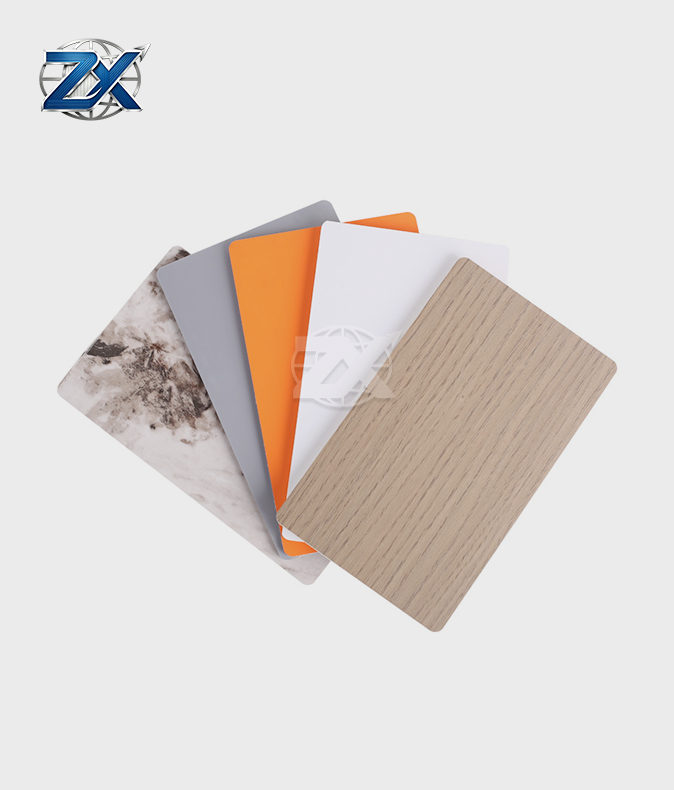
Professional sellers are different from basic vendors because they offer flexible customization. Look for partners who can give custom sizes. Our normal 1220mm width and 2440mm/3000mm lengths work for most uses, but we can also make choices that are bigger or smaller and cut precisely to architectural drawings. In stock, thicknesses range from 6mm to 20mm. For specific structural needs, thicknesses up to 50mm can be made to order. PVDF and powder coating finishes can be tinted in hundreds of different ways, so brand owners and design firms can get exactly the look they want.
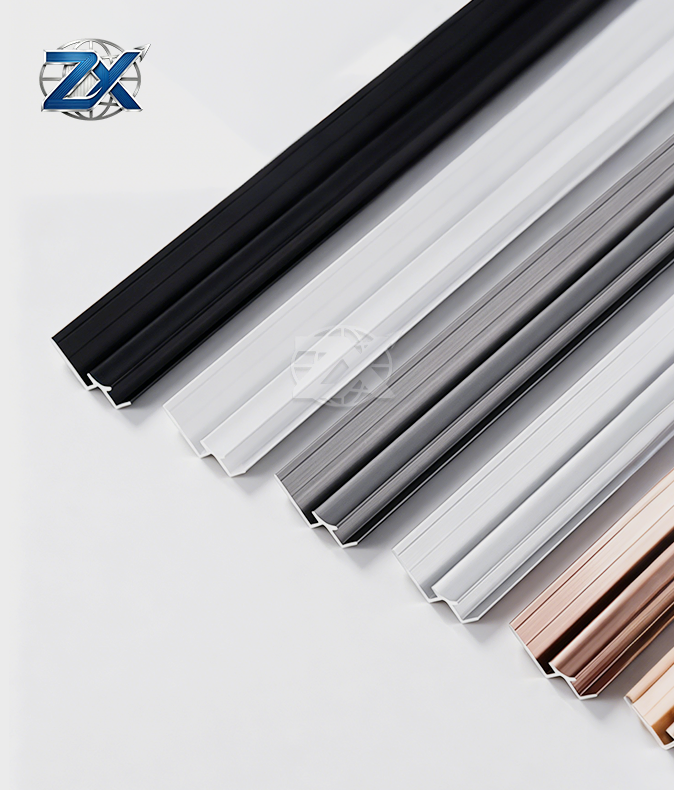
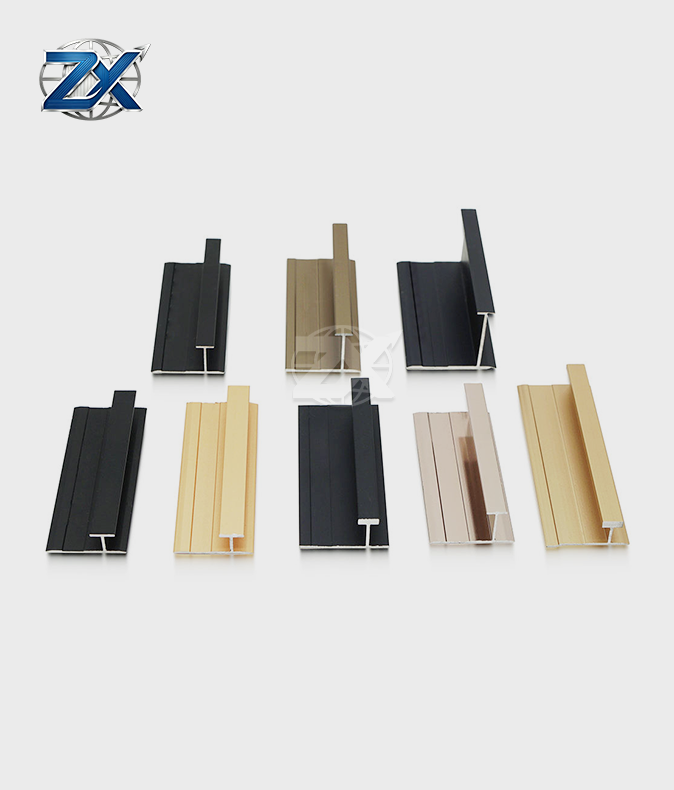
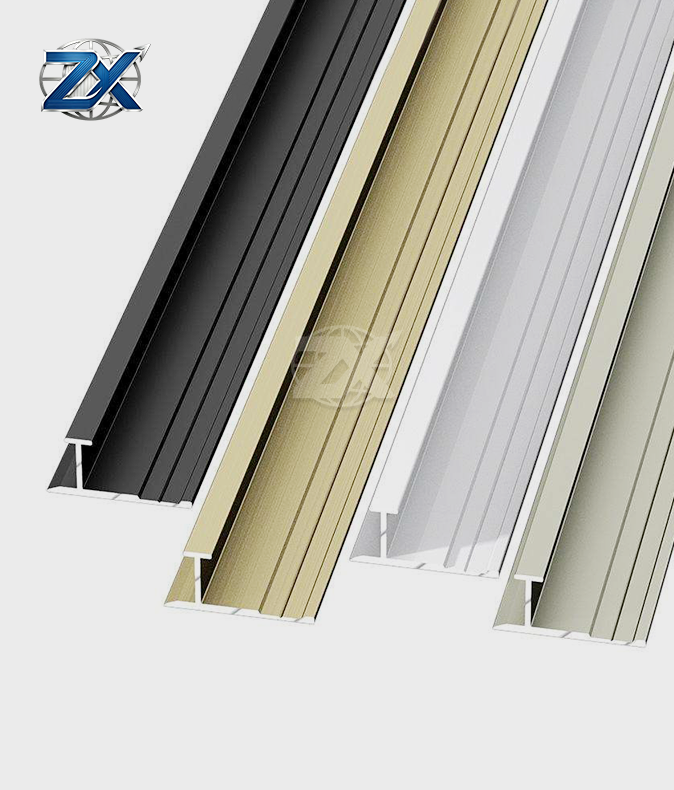
Free drawing optimization services lower overall project costs by finding ways to use materials more efficiently and offering different ways to build that meet the design purpose while wasting the least amount of material. Matching aluminum molding for full-set interior buying makes procurement easier by combining sources, which cuts down on the work that needs to be done to coordinate them and the chance that parts from different makers won't work together.
Logistics and Lead Times
Logistics that are quick are important for the global supply chain to work well. We support quick-rush restocking for building-site supplements because we know that delays in projects have expensive effects that spread outward. Standard production takes 7–10 days, and shipping usually takes 10–15 days. This is a lot faster than many of our foreign rivals. Our position in Zhengzhou, China, in the middle of the country, a major transportation and operations hub, makes it easy to get to rail, highway, and air freight networks. This keeps transportation costs low and schedules reliable.
Long-term agreements to buy aluminum lower the cost of raw materials by a large amount. This makes prices stable and protects distributors and importers from changes in the commodity market. For maximum supply chain flexibility, consigned OEM arrangements accept aluminum sheets from the client. This is especially helpful for overseas brand owners who want to keep their own material specifications.
Why Your Business Should Choose Aluminum Honeycomb Panels
In addition to instant material benefits, long-term strategy advantages add up. A building that isn't too heavy makes shipping much cheaper—the amount of weight that is saved is directly related to the cost of shipping. This makes landing costs more competitive for importers who serve price-sensitive regional markets. When teams can handle lighter panels more quickly and safely, installation labor costs go down. This speeds up project plans and lowers contractor overhead.
Better durability means fewer replacement cycles, which lowers maintenance costs over the lifecycle of a building. Building managers and property managers like materials that don't need much maintenance, especially for areas that are hard to get to, like high ceilings and outdoor walls. Recyclable aluminum helps companies with their environmental efforts, which are becoming more and more required by government rules and investor standards in developed markets. As ideas about a circular economy become more popular, companies that use recyclable materials will be able to stay ahead of new rules and competition.
New products keep making panels better, and research into better adhesives, surface treatments, and core shapes looks like it will open up even more performance options for aluminum honeycomb panels. Working with companies that put money into research and development (R&D) guarantees access to next-generation materials that give you a competitive edge even as market standards change. ZX promises to make it easy for customers in other countries to find high-quality creative materials by using open communication, efficient processes, and ethical business practices that have been developed over many years of making.
Conclusion
Aluminum honeycomb panels are an advanced material technology that is still getting better. They are perfect for meeting the many needs of modern buildings, including strength without weight, longevity with sustainability, and aesthetic flexibility along with useful performance. Importers of building materials find reliable suppliers who can consistently fill large orders. Interior designers can find stylish, long-lasting options that meet the needs of the surroundings and fit into tight project plans. Furniture makers can make their products more competitive by offering stable, custom-made decorating options. Overseas brand owners find reliable suppliers who can keep up quality and delivery over long-term manufacturing partnerships. Knowing the technical benefits of these panels and how to strategically source them helps you make buying decisions that cut costs, speed up schedules, and produce better project results.
FAQ
What makes aluminum honeycomb panels superior to solid aluminum sheets?
Aluminum honeycomb panels are 50–70% lighter than solid aluminum of the same strength. This makes them much easier to move and load on structures while keeping the same level of stiffness. The honeycomb core structure spreads stress across thousands of hexagonal cells, which stops solid sheets from failing in one place or sagging when loads are applied for a long time.
Can these panels be customized for specific project requirements?
Of course. Customization options include sizes other than the normal 1220 mm × 2440 mm, thicknesses from 5 mm to 50 mm, hundreds of PVDF or powder coating color choices, and precise cutting to meet complex building drawings. We can also work with OEM agreements where clients send us their own aluminum sheets to handle.
Do aluminum honeycomb panels meet international fire safety standards?
Yes. Our panels are certified to meet the strict international curtain wall codes needed in North America, Europe, and the Middle East. They are also CE and ISO9001 compliant, giving them Class A Fireproof Standard certification. The fire resistance of the non-combustible aluminium construction is better than that of wood and many composite alternatives.
How quickly can large orders be fulfilled?
Standard production takes between 7 and 10 days, and shipping usually takes between 10 and 15 days, based on where it's going. Our high monthly output capacity supports big hotel building orders and business projects that need a steady supply without delays. Rush restocking services can get supplies to building sites quickly.
Partner with ZX for Premium Aluminum Honeycomb Solutions
The quality, plan, and price of a project are all impacted by the supplier of the aluminum honeycomb sandwich panel. Through our strategic partnership with Zhengzhou Keyi Aluminium, ZX draws on more than 30 years of manufacturing experience to offer more than 300 custom molds and more than 200 decorative finishes that meet a wide range of design needs. Our complete quality management system makes sure that there is strict pre-ship QC, which lowers the number of quality disputes for large panel orders. Our responsive team answers questions within 24 hours and gives professional project advice. We offer factory-direct prices, international certification compliance, and reliable shipping support, whether you're looking for curtain wall components for business towers, decorative materials for high-end hotels, or custom panels for unique uses. Contact us at info@kangdishi.com right away to talk to our experienced team about your unique needs and find out how ZX can make it easier for you to find high-quality aluminum honeycomb panels around the world.
References
1. Smith, J.R. (2021). Advanced Composite Materials in Modern Construction. New York: Building Science Press.
2. Chen, L. & Wang, H. (2020). "Structural Performance of Aluminum Honeycomb Sandwich Panels in High-Rise Applications." Journal of Architectural Engineering, 26(4), 112-125.
3. European Committee for Standardization (2019). EN 13501-1: Fire Classification of Construction Products and Building Elements. Brussels: CEN Publications.
4. Martinez, A. (2022). Sustainable Building Materials: Selection and Performance. London: Green Construction Institute.
5. Zhang, Y., Liu, F. & Thompson, K. (2018). "Comparative Analysis of Lightweight Panel Systems for Transportation Infrastructure." International Journal of Materials Science, 15(3), 287-304.
6. American Society for Testing and Materials (2020). ASTM C297: Standard Test Method for Flatwise Tensile Strength of Sandwich Constructions. West Conshohocken: ASTM International.
Online Message